

The Five Flavors That Quietly Shape Your Health
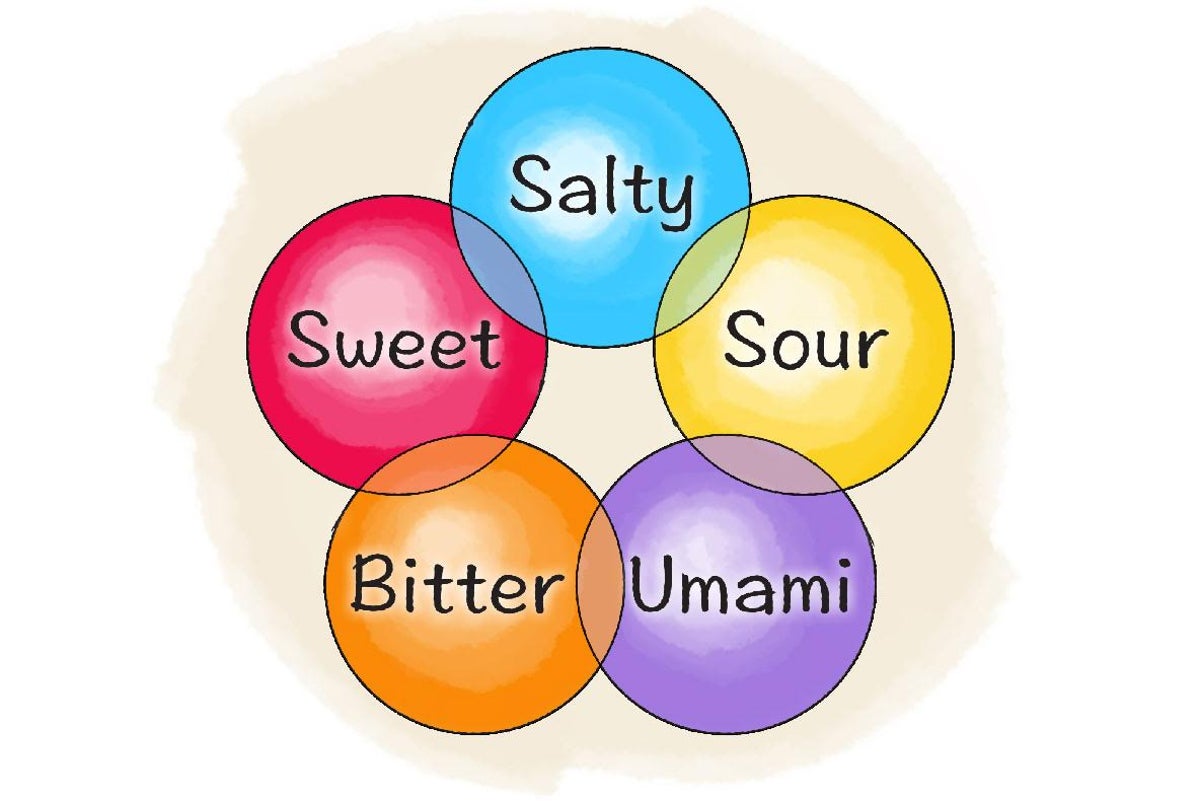
Sweet, sour, pungent, bitter, and salty are not just taste sensations. In traditional Chinese medicine, each flavor is believed to interact with specific organs and bodily functions. Modern research increasingly supports parts of this old framework, showing that what we taste can influence blood sugar, mood, and even bone health.

.
Taste as More Than Pleasure
Most people think of taste only as a way to enjoy food. But according to the ancient Chinese medical text "Huangdi Neijing" (Yellow Emperor's Inner Canon), the five flavors—sweet, sour, pungent, bitter, and salty—each carry a distinct effect on the body. A balanced diet uses all five in moderation, while an excess of any single one is thought to cause imbalance and, eventually, illness.
Modern science does not use the same language, but it recognizes something similar. Taste receptors are not limited to the tongue. They also exist in the gut, where they help regulate digestion, hormone release, and blood sugar control.
.
Sweetness: Comfort With a Catch
In Chinese medicine, "sweet" traditionally refers to the mild sweetness found in whole foods such as grains, root vegetables, and legumes—not refined sugar. This gentle sweetness is said to nourish the body and ease tension, working similarly to a natural stress reliever.
A meta-analysis of clinical trials found that cocoa-rich foods can modestly improve mood and reduce feelings of stress and anxiety in the short term, though the effect fades once trials end.
The catch is dosage. Traditional theory links excessive sweetness to the digestive system, warning that too much can cause bloating and low energy. Modern medicine draws a parallel: chronically high sugar intake is a well-documented driver of weight gain, insulin resistance, and cardiovascular risk.
.
Sourness: The Brake Pedal for Sugar
Sour flavors—found in citrus, vinegar, and fermented foods—are traditionally described as "astringent." They are thought to pull energy inward and tighten bodily functions, which is why sour remedies were historically used to calm excessive bleeding or diarrhea.
Interestingly, modern nutrition science has found a concrete mechanism behind at least one of these effects. A randomized crossover trial found that lemon juice lowered the peak blood glucose response to bread by about 30 percent and delayed the glucose peak by more than half an hour compared to water. Vinegar shows a comparable effect: a systematic review of controlled trials concluded that vinegar consumption reduced both post-meal glucose and insulin spikes across multiple studies.
The downside, according to traditional theory, is that too much sourness can trap energy and cause stagnation, leading to bloating or constipation—a caution not to overdo the vinegar shots.
.
Pungency: The Body's Natural Decongestant
Chili, ginger, garlic, and onion fall into the "pungent" category. Traditional medicine describes this flavor as moving stagnant energy outward, which is why ginger tea is a common home remedy for bloating or sluggish digestion.
Modern physiology explains part of this through nerve stimulation rather than taste alone. Compounds like capsaicin (in chili) and gingerol (in ginger) activate heat- and pain-sensing nerve receptors, which is why spicy food triggers sweating and a warming sensation rather than a "taste" in the strict sense.
As with the other flavors, excess is the problem. Traditional and modern views agree that too much spicy food can irritate the digestive tract, triggering reflux, cramping, or diarrhea.
.
Bitterness: An Unlikely Ally Against Diabetes
Bitter foods—leafy greens, bitter melon, certain herbs—are traditionally associated with "clearing heat" and moving energy downward, making them useful for calming an overheated or overstimulated body.
This is one area where modern research has produced a striking parallel. Bitter compounds activate specialized taste receptors that exist not just on the tongue but throughout the gastrointestinal tract. A review of this mechanism found that bitter-tasting compounds can trigger the release of the gut hormone GLP-1, which plays a central role in insulin secretion and blood sugar regulation. Animal studies have gone further, showing that activating intestinal bitter taste receptors improved glucose tolerance and insulin sensitivity while reducing inflammation markers.
Traditional medicine warns against overdoing it, however: too much bitterness is described as "drying," potentially contributing to a dry mouth or constipation.
.
Saltiness: Necessary, But Easy to Overdo
Salt is linked in traditional theory to the kidneys and to the body's fluid balance. A small amount is considered essential for hydration and proper digestion, including supporting regular bowel movements.
Modern medicine strongly agrees on the risks of excess. A large meta-analysis of controlled trials found that high-sodium diets significantly increased urinary calcium loss in postmenopausal women, a pattern linked to reduced bone density over time. Researchers describe this as a "calcium-sodium paradox," in which the kidneys' handling of excess sodium inadvertently flushes out calcium as well.
.
How to Apply This to Your Plate
You don't need to overhaul your diet overnight to benefit from this framework. A few simple habits can help:
Notice what dominates. Pay attention to whether one flavor—usually sweet or salty—shows up in nearly every meal. Repetition, not a single indulgent meal, is what creates imbalance over time.
Choose whole foods over processed ones. A baked sweet potato delivers a mild natural sweetness along with fiber and nutrients. A sugary snack delivers concentrated sweetness and little else.
Rotate your flavors seasonally. Traditional Chinese medicine encourages eating what is naturally in season, which often introduces a wider variety of tastes without any special planning.
Investigate cravings instead of suppressing them. A strong pull toward sugar or salt is often a signal—of poor sleep, stress, or an unbalanced diet—rather than a simple lack of willpower.
.
The Bigger Picture
Neither traditional Chinese medicine nor modern nutrition science claims that any single flavor is "good" or "bad." The recurring theme, in both systems, is balance. A little bitterness can support blood sugar control; a little sourness can blunt a sugar spike; a little natural sweetness can genuinely lift mood. Problems tend to appear only when one flavor crowds out the rest, meal after meal.
For anyone trying to eat more mindfully, the five-flavor framework offers a simple, low-pressure starting point: instead of counting calories or grams, simply ask which taste is missing from your plate today.
.
What's Your Reaction?
 Like
0
Like
0
 Dislike
0
Dislike
0
 Love
0
Love
0
 Funny
0
Funny
0
 Wow
0
Wow
0
 Sad
0
Sad
0
 Angry
0
Angry
0












Comments (0)