

China’s Cyber Offensive Threatens Philippine Sovereignty in South China Sea: Analysts


.
Cybersecurity threats against Manila are likely being directed by Beijing as a calculated maneuver to undermine the defensive capabilities of the Philippines across the disputed South China Sea, warned observers who recently spoke to The Epoch Times.
Philippine defense officials said on Feb. 19 that the nation continues to grapple with mounting cyber aggression driven by persistent hacking campaigns originating from China.
Armed Forces of the Philippines Cyber Command chief Brig. Gen. Joey Fontiveros detailed in a forum how these hostile actors have executed malware deployments, distributed denial-of-service (DDoS) attacks, and data thefts tied to tensions in the South China Sea.
“The country’s cybersecurity landscape in 2026 is characterized by escalating threats driven by geopolitical tensions, rapid digital transformation, and a sophisticated adversary environment, particularly from state-sponsored actors,” Fontiveros said in his address, as reported by Manila Standard on Feb. 20.
This comes as frictions between Beijing and Manila continue over contested waters, as demonstrated on Feb. 21 when a Philippine Coast Guard aircraft landed on Thitu Island (also known as Pag-asa Island), the largest Philippine-administered feature, where officials reaffirmed to residents that the territory belongs to the Philippines.
Beijing as the Mastermind?
The issue, however, is not new. Enrico Cau, a political and security analyst, said the Philippines has seen a steady escalation in cyber threats over recent years, originating from both non-state groups and state adversaries, including Beijing.“The first includes surely China, for political reasons, but also North Korea and Russia for both political and economic interests, including phishing and ransomware,” Cau, who is also an associate researcher at the Taiwan Center for International Strategic Studies, told The Epoch Times.
.

In a similar vein, Chester Cabalza, president and founder of the Manila-based think tank International Development and Security Cooperation, said China has always been the usual suspect for these escalating digital threats, given the imminent maritime disputes and alleged malign foreign influence operations within the country.
“This suspicion continues to enter the realm of Philippine agencies without dismantling the view that Beijing has juicy resources in doing cybersecurity threats,” Cabalza told The Epoch Times.
Cau said China’s operations—including the hacking campaigns—appear to center on three major narrative themes: territory, interference, and division.
“First, a narrative revolving around the disputes in the West Philippine Sea. In this case, the goal seems to be weakening the Philippines’ claims and the 2016 arbitration, while validating China’s historical claims over the disputed region,” Cau said, referring to the South China Sea as the West Philippine Sea, Manila’s official term.
“The second seems to be aimed at influencing the domestic political landscape through local proxies and troll factories.
Has Beijing Reached Its Goals?
Cau said these digital offensives orchestrated by Beijing have largely achieved their initial disruptive goals.“Given the high level of social, ethnic, geographic [North–South] and political polarization [in the Philippines], many of the themes used by China have the potential to influence part of the public and of the elites,” he said.
.
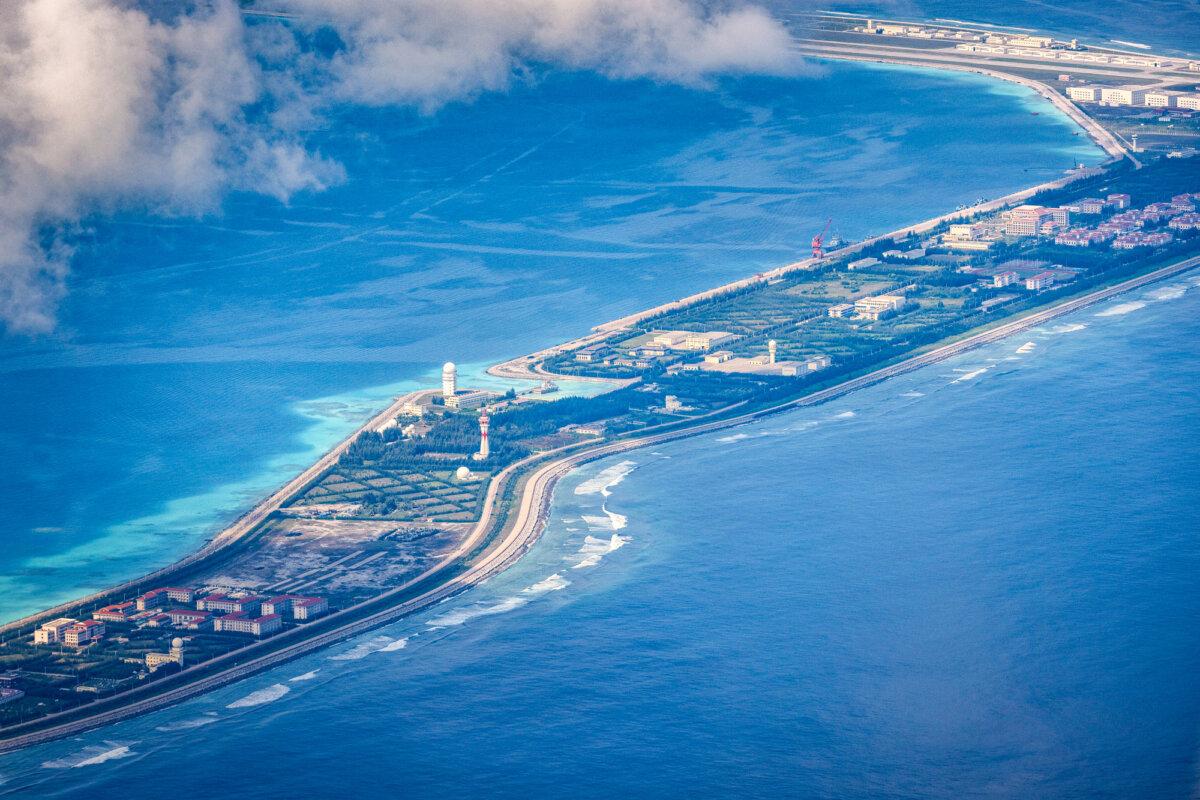
Cau said these targeted operations intentionally exploit existing domestic vulnerabilities to deliberately amplify internal divisions, which could ultimately make Manila less assertive in the South China Sea.
“Behind these factors lies what appears to be a substantial degree of fragmentation, which affects Manila’s leadership legitimacy and, as a consequence, its efforts to offer a firmer stand for its claims,” Cau said.
Offering a contrasting view, Cabalza said these cyberattacks have ultimately proven ineffective.
Deterrence Dilemma
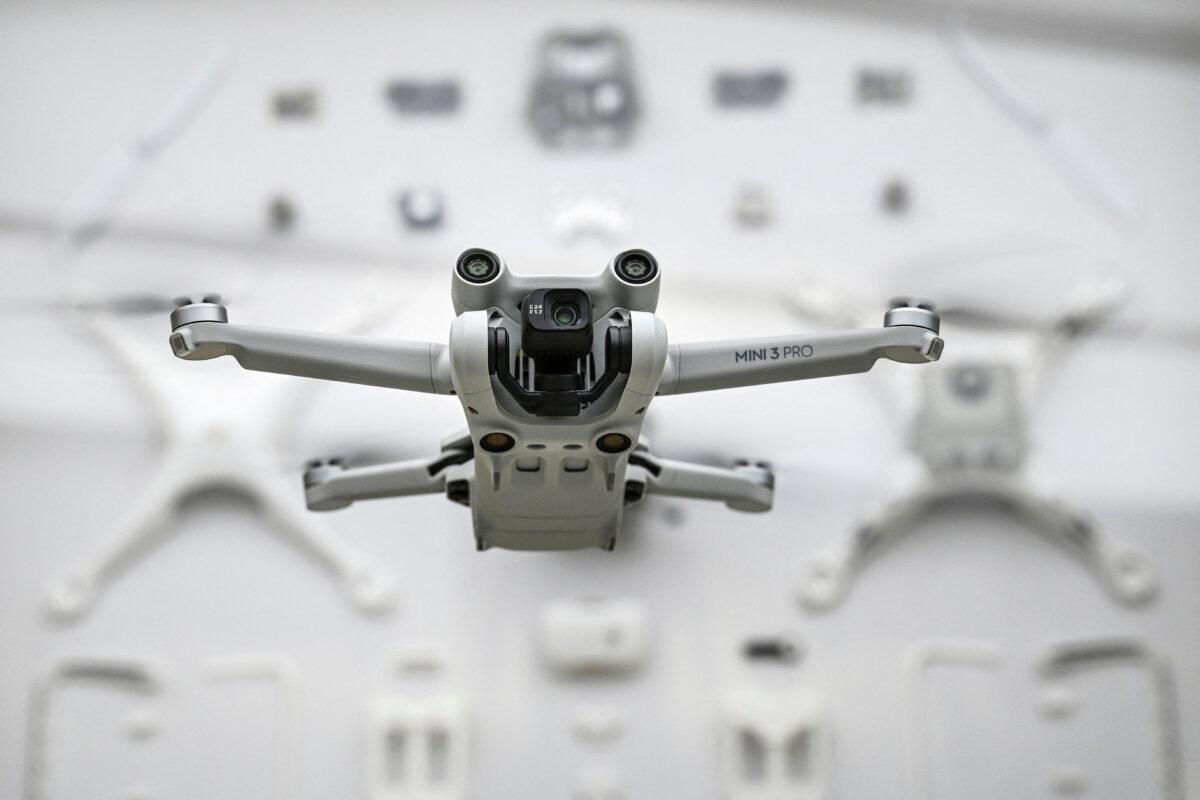
Cabalza said that Beijing’s sophisticated drone ecosystem currently patrolling the South China Sea indicates that robotics will likely emerge as the next frontier of cyber and future warfare in these contested waterways.“The Philippines is catching up with these technological wonders of war at sea as Manila widens its international military networks,” he said.
.
Since the Chinese regime prefers employing gray zone tactics—coercive actions below the threshold of war—anchored in the denial and occupation of physical space alongside lawfare and other non-kinetic methods, it will likely maintain this strategy until its presence in these areas becomes a fait accompli, said Cau.
“This is also because escalation at sea often results in an increase of anti-Chinese feelings and associated activities in Manila and beyond,” he said.
However, Cau cautioned that Manila has very little leeway to counter these actions, whether through international courts or on the battlefield.
“Legally, the approach [by Manila] is largely ineffectual due to China’s rejection of the results of the 2016 arbitration,” he said.
“Even with the ongoing modernization of its military capabilities, the Philippines is in no condition to engage in a conflict with China, nor does it possess the military capabilities to hold any of the disputed features.”
Cau said Manila must build a credible deterrence posture to compel Beijing to engage in dialogue.
“This should also be achieved by leveraging collective engagements with other like-minded allies and partners,” he said.
“One of Manila’s tasks will be to make sure to grasp the opportunity to sit at that table at the right moment.”
.
What's Your Reaction?
 Like
0
Like
0
 Dislike
0
Dislike
0
 Love
0
Love
0
 Funny
0
Funny
0
 Wow
0
Wow
0
 Sad
0
Sad
0
 Angry
0
Angry
0
















Comments (0)