

Can Pets Slow the Aging Brain? What the Science Actually Says
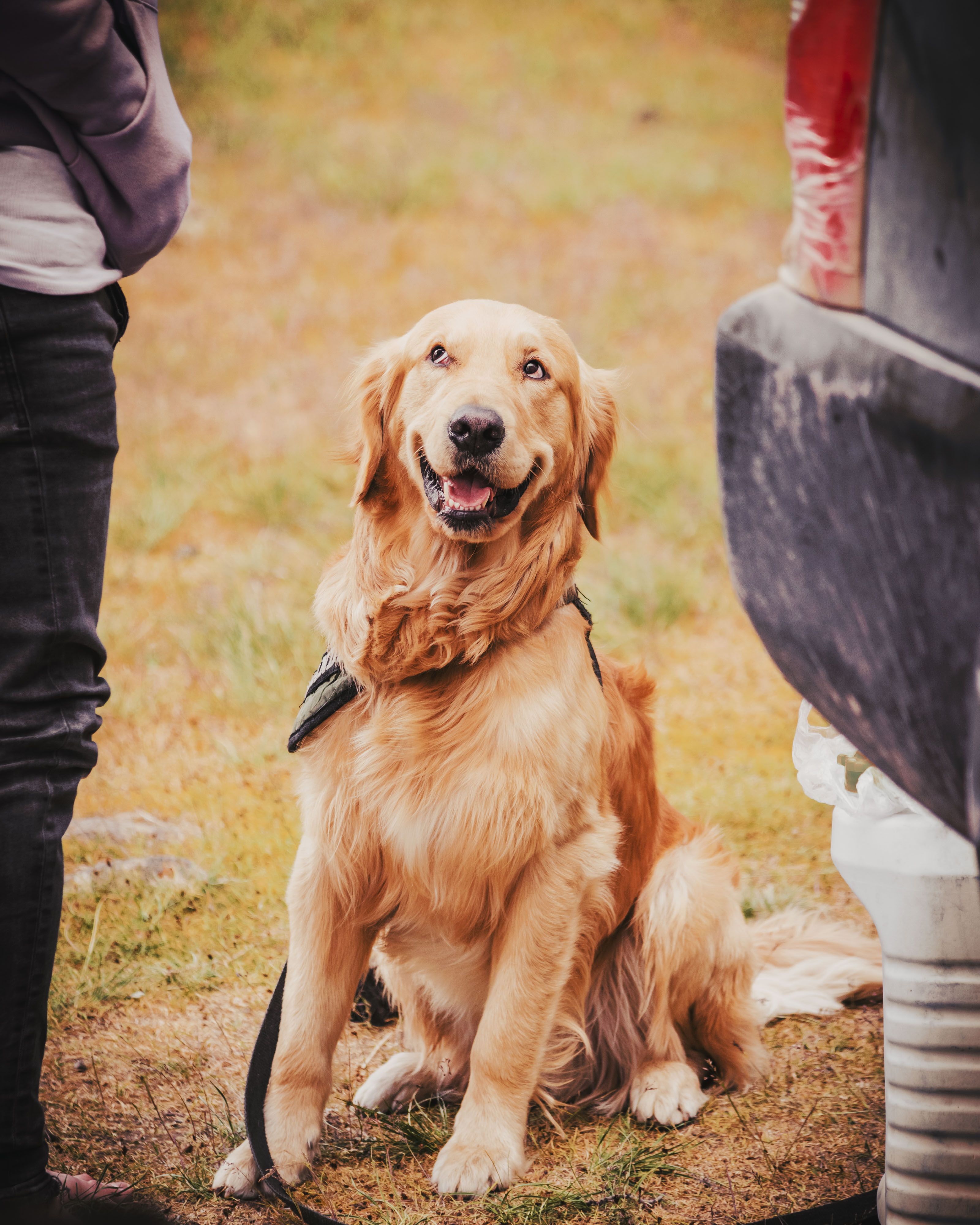
A wagging tail at the door might be doing more than begging for a walk. A growing body of research suggests that living with a dog or cat — and the daily habits that come with it — may be linked to slower cognitive decline, less loneliness, and better emotional resilience in older adults. The evidence is far from proof that pets prevent dementia, but it points to something worth taking seriously.

.
The Cognitive Aging Puzzle
Scientists have long been curious about why some people's minds stay sharp well into old age while others decline faster. Pet ownership has become an unexpected thread in that research.
One of the most detailed studies came from the Baltimore Longitudinal Study of Aging, one of the longest-running aging studies in the United States. Researchers tracked 637 generally healthy, community-dwelling older adults for one to thirteen years, monitoring changes in memory, language, and other cognitive skills through repeated testing. Pet owners in the study showed a slower rate of decline on several of these measures than people without pets, and dog walking in particular was tied to steadier performance over time.
A separate analysis using data from the Survey of Health and Retirement in Europe, spanning eighteen years and multiple countries, reached a similar conclusion: pet ownership was linked to a slower decline in both executive function and episodic memory among adults over fifty, regardless of age group. Interestingly, the protective association differed depending on which species of pet a person kept, hinting that not every animal companion offers the same benefit.
A third, large-scale cohort study published in JAMA Network Open examined nearly 8,000 adults aged fifty and older using data from the English Longitudinal Study of Ageing. The findings were more nuanced: pet ownership was associated with a slower rate of decline in verbal memory and verbal fluency, but only among people who lived alone — the same protective link did not appear among those living with others. The study's authors suggested that pet ownership might partially offset the cognitive risks tied to living alone.
None of these studies can prove causation. People healthy enough to walk a dog or clean a litter box every day may simply differ from those who cannot — a limitation researchers openly acknowledge. Still, the consistency across very different populations and methods has kept the question alive in scientific circles.
.
A Japanese Study Links Dogs to Lower Dementia Risk
The most striking dementia-specific findings come from Japan. Researchers at the Tokyo Metropolitan Institute of Gerontology followed more than 11,000 community-dwelling adults aged 65 to 84 for around four years, tracking who went on to develop disabling dementia using the country's long-term care insurance records.
The results: dog ownership had a suppressive effect on incident disabling dementia, and dog owners who also maintained a regular exercise habit and were not socially isolated had a significantly lower risk than others. Cat ownership showed no comparable protective effect.
Lead author Yu Taniguchi offered a practical explanation rather than a mystical one. He noted that owning a dog effectively requires people to build a habit of physical activity, which in turn makes it far more likely they will interact and socialize with other people — two factors independently linked to healthy brain aging. Because cat owners typically do not need to walk their pets outdoors, researchers believe they miss out on this same built-in push toward movement and social contact.
The takeaway isn't that dogs are a cure for dementia. It's that dog ownership tends to bundle together several habits — walking, routine, outdoor exposure, casual social contact — that are already known to support brain health on their own.
.
Companionship, Stress, and the Structure of Daily Life
Cognitive health is only part of the story. Pets also appear to shape emotional well-being, particularly for people who might otherwise be isolated.
A study of primary care patients aged 60 and older found that pet owners were 36 percent less likely than non-owners to report feelings of loneliness, even after accounting for age, living situation, and general mood. The effect was strongest among people living alone: those without a pet in that group reported the highest rates of loneliness of anyone studied.
The COVID-19 pandemic offered researchers an unplanned but revealing test case. A 2021 study published in PLOS One compared dog owners with people who wanted a dog but didn't have one, surveying both groups during the pandemic using validated psychological scales. Dog owners reported significantly more available social support and lower depression scores than people who wished they owned a dog but did not.
That said, the research on pets and mental health is not uniformly positive. Some studies have found no measurable benefit, and others have noted that pet ownership can itself become a source of stress — through vet bills, behavioral problems, or the physical demands of care. Pets are not a substitute for human relationships, and no serious researcher frames them as a treatment for depression or loneliness.
What may matter more than companionship alone is structure. A pet that needs to be fed, walked, or groomed creates fixed points in the day — a built-in reason to get up, move, and maintain a routine, especially for people who are retired or living alone.
.
From Household Pets to Clinical Therapy
The idea that animals can support human well-being isn't new — it has a documented clinical history stretching back more than sixty years.
Child psychologist Boris Levinson is widely credited with pioneering the field after noticing that his own dog helped withdrawn children open up during therapy sessions. He coined the term "pet therapy" in 1964, and the concept has since evolved into a structured branch of healthcare.
Today, specially trained animals are used in hospitals, nursing homes, and rehabilitation centers. Animal-assisted therapy programs have been studied for their potential to ease anxiety, reduce stress during medical procedures, and improve patient engagement — though, as with pet ownership generally, the strength of evidence varies across studies. Separately, dogs have been trained to alert people with epilepsy to oncoming seizures, and their sense of smell has drawn scientific interest as a possible early-detection tool for certain diseases, including some cancers. These are specialized applications, distinct from simply having a pet at home, since the animals involved are deliberately selected and trained for a specific medical role.
.
Is Getting a Pet the Right Move for Everyone?
Given the research, it might be tempting to see a pet as a health investment. Veterinary and gerontology experts caution against that framing.
Choosing a pet — especially for someone older or with physical limitations — requires weighing the animal's size, temperament, and energy level against the owner's own strength, mobility, and living situation. A large, high-energy dog that pulls on a leash can pose a real fall risk for an older adult, for instance.
Practical costs matter too: veterinary bills, food, grooming, potential allergies, housing restrictions, and — critically — a realistic plan for the animal's care over its entire lifetime, not just the years when the owner feels fit. The animal's own welfare has to factor into that decision as much as the owner's.
For people who like the idea of animal companionship but can't commit to full-time ownership, alternatives exist: spending time with a relative's pet, volunteering at a shelter, or joining a structured animal-assisted program can offer some of the same benefits without the long-term responsibility.
.
The Bigger Picture
Taken together, the research doesn't suggest that pets are medicine, and no reputable scientist claims otherwise. What it does suggest is more modest, and perhaps more realistic: a pet gives someone a reason to move, a routine to keep, and — in the case of a dog — a reason to step outside and interact with the world.
Over years, those small, repeated demands appear to add up to something measurable in how people age.
.
Sources
- Friedmann, E., et al. "Pet ownership and maintenance of cognitive function in community-residing older adults: evidence from the Baltimore Longitudinal Study of Aging (BLSA)." Scientific Reports, 2023. https://www.nature.com/articles/s41598-023-41813-y
- "Longitudinal relationships between pet ownership and cognitive functioning in later adulthood across pet types and individuals' ages." Scientific Reports, 2025. https://www.nature.com/articles/s41598-025-03727-9
- Li, Y., Wang, W., Zhu, L., et al. "Pet Ownership, Living Alone, and Cognitive Decline Among Adults 50 Years and Older." JAMA Network Open, 2023. https://jamanetwork.com/journals/jamanetworkopen/fullarticle/2813138
- Taniguchi, Y., et al. "Protective effects of dog ownership against the onset of disabling dementia in older community-dwelling Japanese: A longitudinal study." Preventive Medicine Reports, 2023. https://www.sciencedirect.com/science/article/pii/S221133552300356X
- Stanley, I. H., Conwell, Y., Bowen, C., Van Orden, K. A. "Pet ownership may attenuate loneliness among older adult primary care patients who live alone." Aging & Mental Health, 2014. https://pubmed.ncbi.nlm.nih.gov/24047314/
- Martin, F., Bachert, K. E., Snow, L., et al. "Depression, anxiety, and happiness in dog owners and potential dog owners during the COVID-19 pandemic in the United States." PLOS One, 2021. https://journals.plos.org/plosone/article?id=10.1371%2Fjournal.pone.0260676
.
What's Your Reaction?
 Like
0
Like
0
 Dislike
0
Dislike
0
 Love
0
Love
0
 Funny
0
Funny
0
 Wow
0
Wow
0
 Sad
0
Sad
0
 Angry
0
Angry
0


















Comments (0)