Beijing Puts Trade Restrictions on US Companies as Friction Persists

Beijing Puts Trade Restrictions on US Companies as Friction Persists

.

The Chinese regime said on Sept. 25 that it has imposed trade restrictions on six U.S. defense companies, adding to signs that trade tensions between Beijing and Washington remain.

Three companies were added to the export control list, China’s commerce ministry said in a statement. Inclusion on the list would bar Chinese businesses from exporting dual-use items, which cover technology, goods, and services that have both civilian and military purposes.

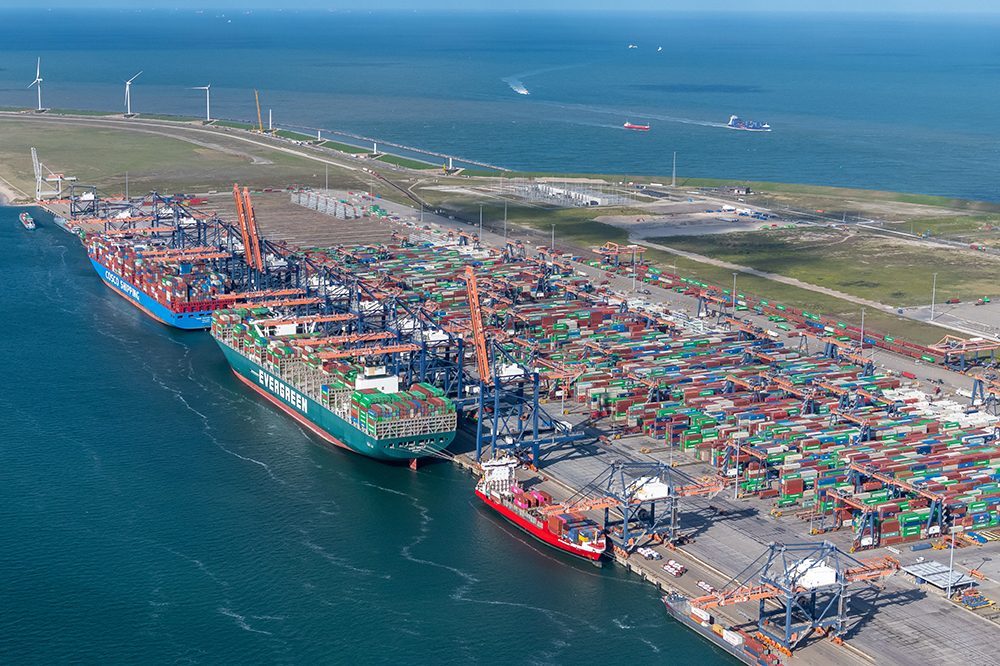
The three named companies are Huntington Ingalls Industries, the largest military shipbuilder in the United States; Planate Management Group, a facilities engineering company; and Global Dimensions, an intelligence support company.

The ministry stated that the move was necessary to safeguard China’s “national security and interests” and to “fulfill international non-proliferation obligations.”

The ministry also said it added three more U.S. companies to the regime’s “unreliable entity” list, essentially a trade blacklist. The additions include Saronic Technologies, a manufacturer of unmanned surface vessels; Aerkomm, a company specializing in satellite communication technology; and Oceaneering International, a provider of engineered products and services worldwide.

The “unreliable entity” mechanism allows Beijing to restrict import and export activities, make new investments, revoke employees’ work permits, among other powers. It was established in mid-2019, shortly after the first Trump administration cut off U.S. suppliers from China’s largest telecommunications company, Huawei, due to national security concerns.

In a separate statement, a ministry spokesperson accused Saronic Technologies, Aerkomm, and Oceaneering International of engaging in “military and technical cooperation with Taiwan,” despite Beijing’s “strong opposition.” Such cooperation, the spokesperson claimed, undermined the regime’s “national sovereignty, security, and development interests.”

China’s communist regime never ruled Taiwan but views the democratically self-governed island as its own territory, and never ruled out the use of force to bring the island under its control. The United States is bound by law to provide Taiwan with military equipment for its self-defense, despite the lack of formal ties.

Beijing has previously placed sanctions on multiple U.S. defense companies for their involvement in the U.S. government’s arms sales to Taiwan. Analysts have largely dismissed such moves as symbolic, primarily aimed at domestic propaganda, given that U.S. defense companies have very limited operations in China due to Washington’s restrictions on the export of military technology.

The announcement comes as China and the United States are negotiating a trade deal ahead of the Nov. 10 deadline.
After the latest round of trade talks in Madrid, Spain, earlier this month, U.S. and Chinese negotiators agreed on a framework deal to divest TikTok from its China-based parent company, ByteDance. U.S. President Donald Trump is expected to sign an executive order on Sept. 25 declaring that the TikTok deal meets the requirements of a U.S. law, which stipulates that Chinese ownership ends or the app shuts down in the United States.
.
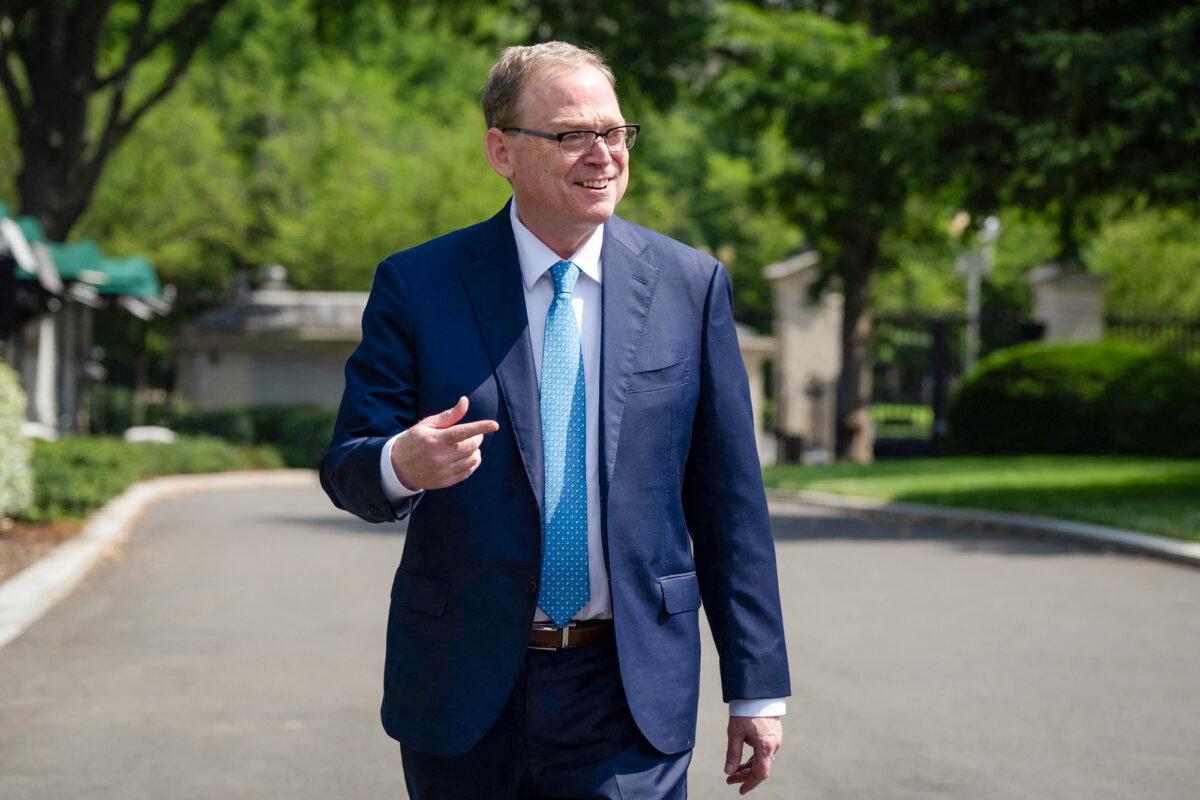
Kevin Hassett, director of the White House National Economic Council, walks toward the West Wing at the White House on June 30, 2025. Andrew Caballero-Reynolds/AFP via Getty Images
.
The Madrid talks, like previous rounds in Stockholm, London, and Geneva, covered a wide range of trade issues between the world’s two largest economies, including U.S. complaints about declining Chinese purchases of U.S. farm products and China’s growing state-driven excess manufacturing capacity, which is flooding the world with cheap exports.
White House economic adviser Kevin Hassett said on Sept. 25 that Trump and Chinese leader Xi Jinping are in discussions about various issues, including China’s purchase of Russian oil.
U.S. Trade Representative Jamieson Greer and Treasury Secretary Scott Bessent are talking to their Chinese counterparts “practically every day,” Hassett told Fox News.

“I feel like compared to a few months ago, we’ve made an enormous amount of progress, but there is still work to do,” he said.

Reuters contributed to this report.
.