

Rubio and Wang Yi Meet in Manila as Trump-Xi Summit Takes Shape
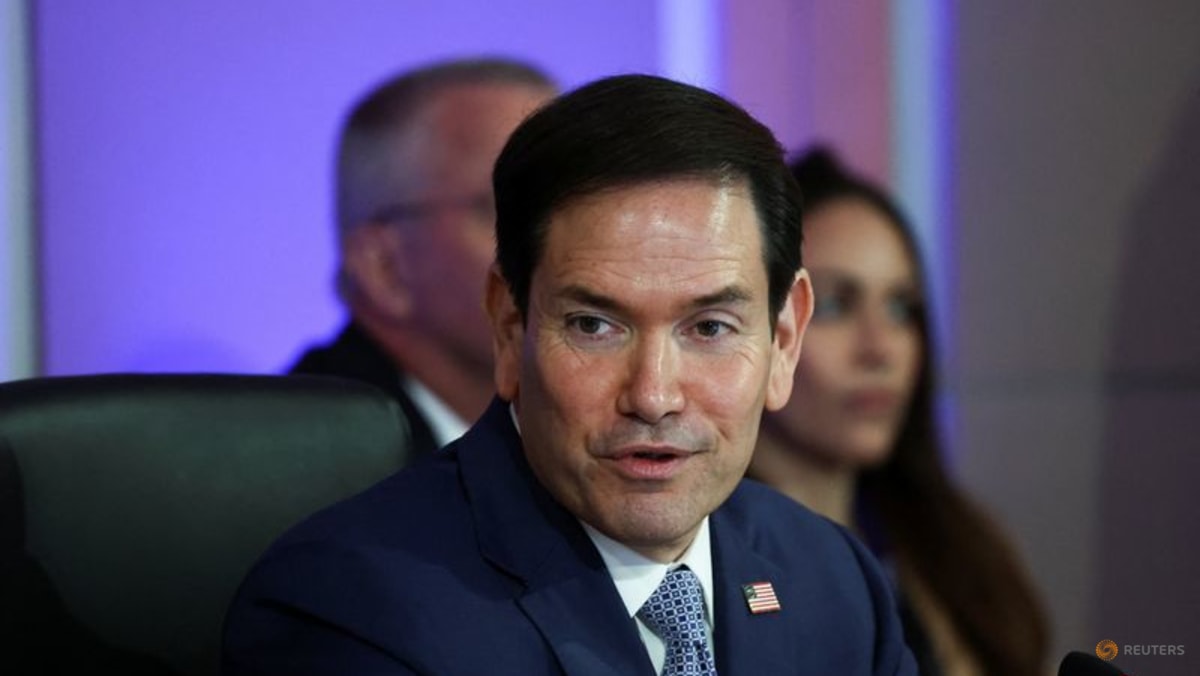
U.S. Secretary of State Marco Rubio met Chinese Foreign Minister Wang Yi in Manila on Wednesday, on the sidelines of an ASEAN gathering. The talks focused on preparations for a possible September summit between President Donald Trump and Chinese leader Xi Jinping, while trade issues and regional tensions were also on the agenda. Notably, Trump's recent accusations of Chinese election interference were left off the table.

.
A High-Stakes Encounter on ASEAN's Sidelines
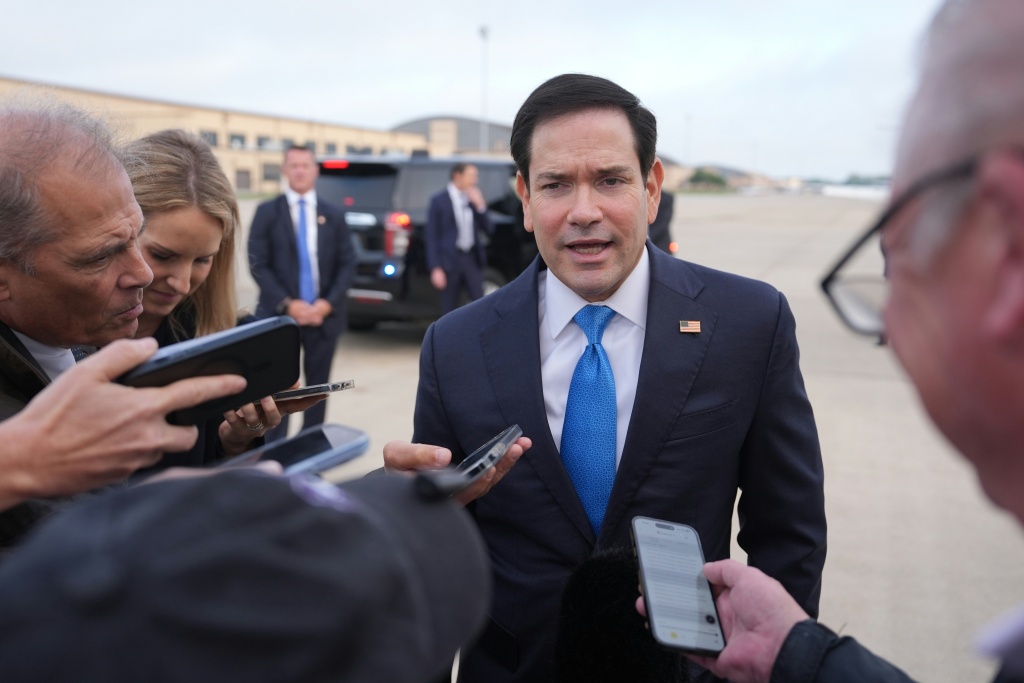
Rubio and Wang held their talks in the Philippine capital, where foreign ministers from the Association of Southeast Asian Nations (ASEAN) and several partner countries gathered this week for a series of regional meetings. Rubio told reporters afterward that the two sides "talked a lot" about a possible trip by Xi Jinping to the United States, and that while disagreements remain, both governments share a responsibility to manage them.
The meeting follows months of diplomatic contact between Washington and Beijing, including a Trump-Xi summit in Beijing this past May. Trump has repeatedly said he expects Xi to travel to Washington by the end of September, though Beijing has so far declined to confirm the trip publicly.
Trade Truce Holds, For Now
Relations between the two economic powers have been relatively calm since Trump and Xi struck a temporary trade truce last October. Rubio confirmed that trade issues were part of Wednesday's discussion, along with matters handled by the bilateral Board of Trade. He emphasized that maintaining open channels of communication between Washington and Beijing remains essential, regardless of the disputes that persist.
This more stable footing marks a notable shift from the sharper confrontations that defined U.S.-China trade relations in past years, and reflects the current administration's preference for direct, results-oriented engagement over prolonged standoffs.
Election Interference Claims Left Out of the Room
One topic that did not come up, according to Rubio, was Trump's recent accusation that China interfered in the 2020 U.S. presidential election. The president raised the allegation days before the Manila meeting, prompting Beijing's foreign ministry to dismiss it as "pure fabrication."
Trump has since taken a measured tone on the matter, telling reporters this week that the incident "took place a long time ago" and that his administration would raise it with Beijing without specifying any retaliatory steps. Given the Chinese Communist Party's long record of denying wrongdoing while resisting independent verification, Beijing's blanket rejection is unlikely to settle the question on its own — a pattern observers of Chinese state behavior have flagged for years across unrelated disputes, from trade practices to human rights.
Trump's willingness to publicly raise election security concerns with a foreign power, even one as economically significant as China, reflects the administration's broader stance of prioritizing American sovereignty and institutional integrity over diplomatic convenience.
A Region Under Strain
The ASEAN meetings are taking place against a backdrop of global instability. The ongoing war in the Middle East has disrupted international trade routes and added economic pressure across Asia, complicating an already delicate diplomatic environment for the region's foreign ministers.
Rubio noted that nothing China has done so far has altered the course of that conflict, though he acknowledged Beijing had shown some willingness to cooperate on matters related to Iran. The remark points to the limited but real areas where U.S. and Chinese interests can still align, even as broader strategic competition between the two powers continues.
What Comes Next
With Trump's proposed September summit still unconfirmed by Beijing, Wednesday's meeting in Manila will likely be seen as a groundwork-laying step rather than a breakthrough. Both sides appear intent on preserving the fragile trade truce while leaving thornier issues — including election security and long-term strategic rivalry — for future, higher-level talks.
Whether Xi Jinping ultimately makes the trip to Washington will be an early test of how durable this current period of stability proves to be.
.
Sources:
- Reuters – "Rubio says he discussed China President's US visit in meeting with Wang Yi" – https://www.reuters.com/world/china/rubio-says-he-discussed-china-presidents-us-visit-meeting-with-wang-yi-2026-07-22/
- AFP (via BSS) – "Rubio to meet Chinese FM Wang Yi on ASEAN sidelines" – https://www.bssnews.net/international/407764
- South China Morning Post – "Trump softens tone on alleged China election meddling before Rubio-Wang talks" – https://www.scmp.com/news/us/diplomacy/article/3361391/trump-softens-tone-alleged-china-election-meddling-rubio-wang-talks
- Euronews (AP) – "China rejects Trump's election interference accusations as 'groundless'" – https://www.euronews.com/2026/07/17/china-rejects-trumps-election-interference-accusations-as-groundless
.
What's Your Reaction?
 Like
0
Like
0
 Dislike
0
Dislike
0
 Love
0
Love
0
 Funny
0
Funny
0
 Wow
0
Wow
0
 Sad
0
Sad
0
 Angry
0
Angry
0














Comments (0)