

Nature’s Secrets to Stronger Immunity

.
Hidden within the grandeur of some of the oldest trees on earth are healing properties known for hundreds of years to in indigenous peoples.
Sponsored Content
Humans have long been fascinated with pine trees and their roles in the natural world around us. They are mysterious, beautiful, and ancient trees that can live hundreds and sometimes thousands of years.
There are around 125 different pine species that have been identified and some are amongst the longest-living trees and organisms in the world. In fact, some trees from the Bristlecone Pine species (Pinus longaeva) have been carbon-dated to be around 5,000 years old.
History of Pine Needle Benefits and Their Compounds
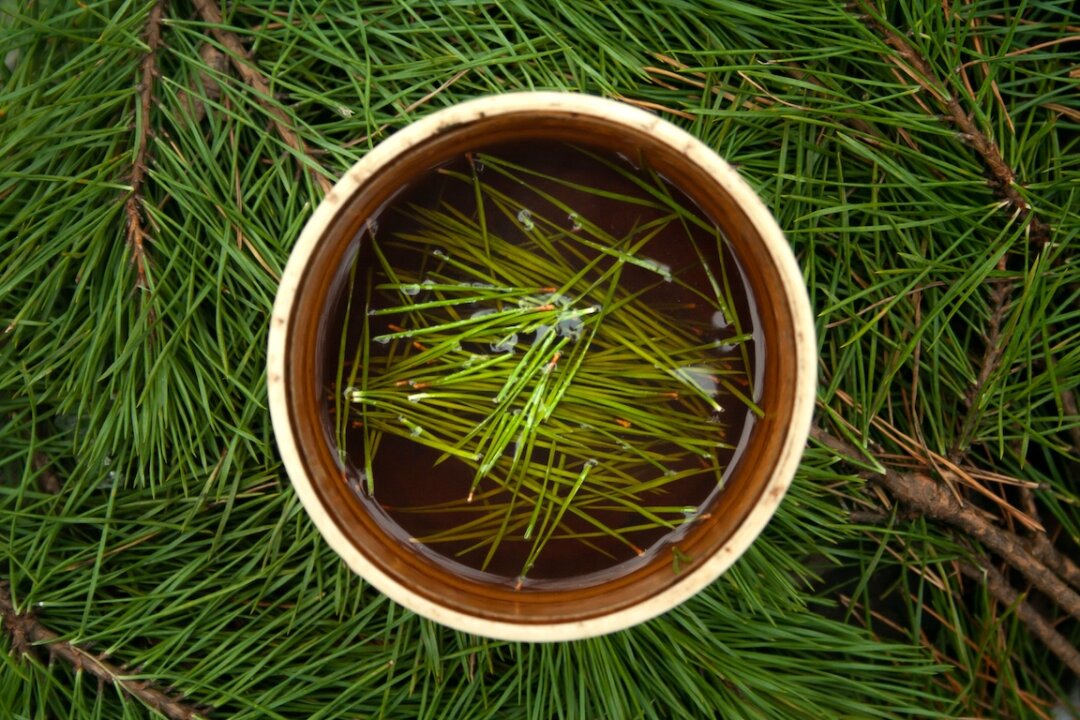
Indigenous humans have long used pine needles and various compounds from certain pine trees for at least hundreds of years, and possibly even longer. The consumption of certain pine needles impacts the immune, respiratory, cardiovascular, and neurological systems of us humans.In more recent times, pine needles and tea from pine needles have garnered a tremendous amount of attention from scientists, doctors, and those within the health and wellness fields, due to the many different compounds found naturally within certain pine species.
Pine needles, especially those from Eastern white pines (Pinus strobus) many different compounds and nutrients, including antioxidants, vitamin C, essential oils, amino acids, and flavonoids.
Pine Needles and Shikimic Acid
Some might be familiar with the term shikimic acid as it is the main constituent within the antiviral drug Oseltamivir, also known commercially as Tamiflu. While pine needles shouldn’t be confused with Tamiflu, shikimic acid as a naturally occurring compound is known to induce several different physiological effects within the human body.Shikimic acid also is known in biology as the Shikimate Pathway and was discovered first by Dutch chemist Johan Fredrik Eykman in 1885.
Shikimic Acid, Pesticides, and Digestive Functioning
As detailed earlier, shikimic acid is the end result of the seven-step metabolic process known as the shikimate pathway. This pathway is known to be negatively impacted by some pesticides, including the well-known glyphosate.With respect to the shikimate pathway, glyphosate targets this seven-step process by inhibiting a key enzyme known as EPSPS (5-enolpyruvylshikimate-3-phosphate synthase). When EPSPS is inhibited, the building of the amino acids necessary for the production of proteins is blocked and the plant dies.
Although we humans do not contain the shikimate pathway directly, it is known how and why glyphosate still affects us. In 2021, the first-ever bioinformatics method was used to “assess the potential sensitivity of organisms to glyphosate based on the type of EPSPS enzyme.”
The novel methodology they used was also able to classify sequences from about 90 percent of eukaryotes and more than 80 percent of prokaryotes.
Since glyphosate harms many of the beneficial bacteria in the gut, it is no surprise that health conditions relating to the brain, blood sugar levels, and the digestive system have risen over the years alongside the widespread use of glyphosate.
.
Pine Needles and Pesticide-Free Farming
As detailed above, shikimic acid and the shikimic acid pathway are important because of their necessity in the creation of an immense amount of life on this planet and how it affects the human microbiome and overall health.The use of synthetic pesticides has dramatically impacted us humans in several ways, as well as pollinators like bees and butterflies. Our food, water, lawns, and grasslands have also been affected by glyphosate, and awareness of the issues synthetic pesticide use presents is the first step in helping to reduce their usage on our planet.
Choosing organically grown or sustainably wild-harvested foods when possible is one way to reduce the consumption of synthetic pesticide-sprayed foods and help support the health of the microbiome.
Another way to support the microbiome, gut, immune, and respiratory functioning is the consumption of pine needles and the active constituents found within them.
The first company to market an extracted form of wild-harvested Eastern white pine needles in organic glycerin and is proudly seen here on The Epoch Times, is Ascent Nutrition.
Thousands of people around the world have already benefited from Ascent Nutrition’s Pine Needle Extract and it’s the perfect fit in supporting immune, respiratory, brain, and overall health for us humans—especially during the winter months.
What's Your Reaction?
 Like
0
Like
0
 Dislike
0
Dislike
0
 Love
0
Love
0
 Funny
0
Funny
0
 Wow
0
Wow
0
 Sad
0
Sad
0
 Angry
0
Angry
0















Comments (0)