

Muscle Cramps: 2 Simple Fixes and Herbal Teas That May Help

.
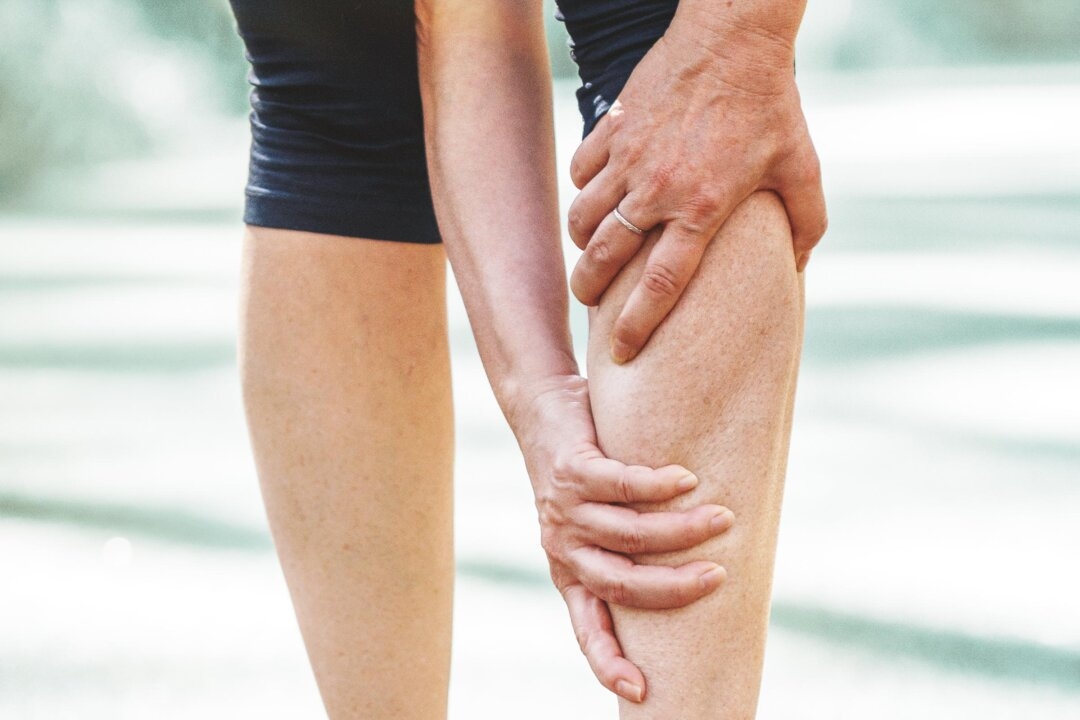
Painful muscle cramps can wake you in the middle of the night and last for up to several minutes. Cramps occur more often in the summer when hot weather can leave you dehydrated.
Understanding Muscle Cramps
Prolonged sweating causes a loss of water and electrolytes such as sodium, potassium, and magnesium—essential minerals for nerve signal transmission and muscle contraction. When they fall out of balance, calcium regulation inside muscle cells is disrupted, triggering involuntary contractions—better known as cramps or “charley horses.”
2 Acupoints to Relieve Muscle Cramps
When experiencing muscle cramps, massaging specific acupoints can help balance the body’s energy and blood flow, quickly easing the cramps.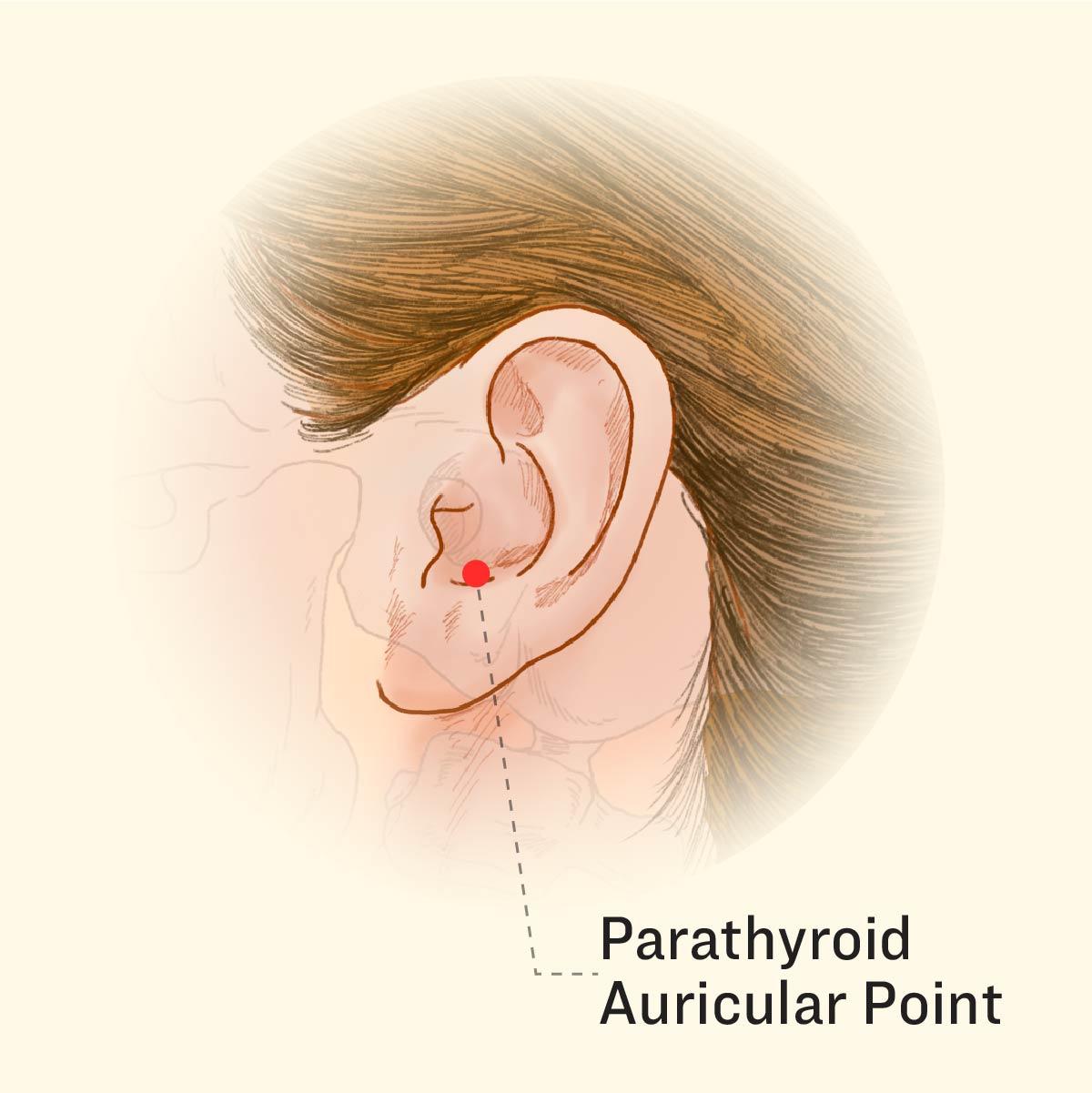
1. Parathyroid Auricular Point
- Location: On the ear’s antitragus—the small cartilage opposite the ear canal.
- TCM theory: Stimulating this point supports calcium balance in the body by influencing the parathyroid glands, which regulate calcium metabolism.
- How to use: Apply gentle massage or press-and-hold for one to two minutes on each ear when cramps occur.
.
.
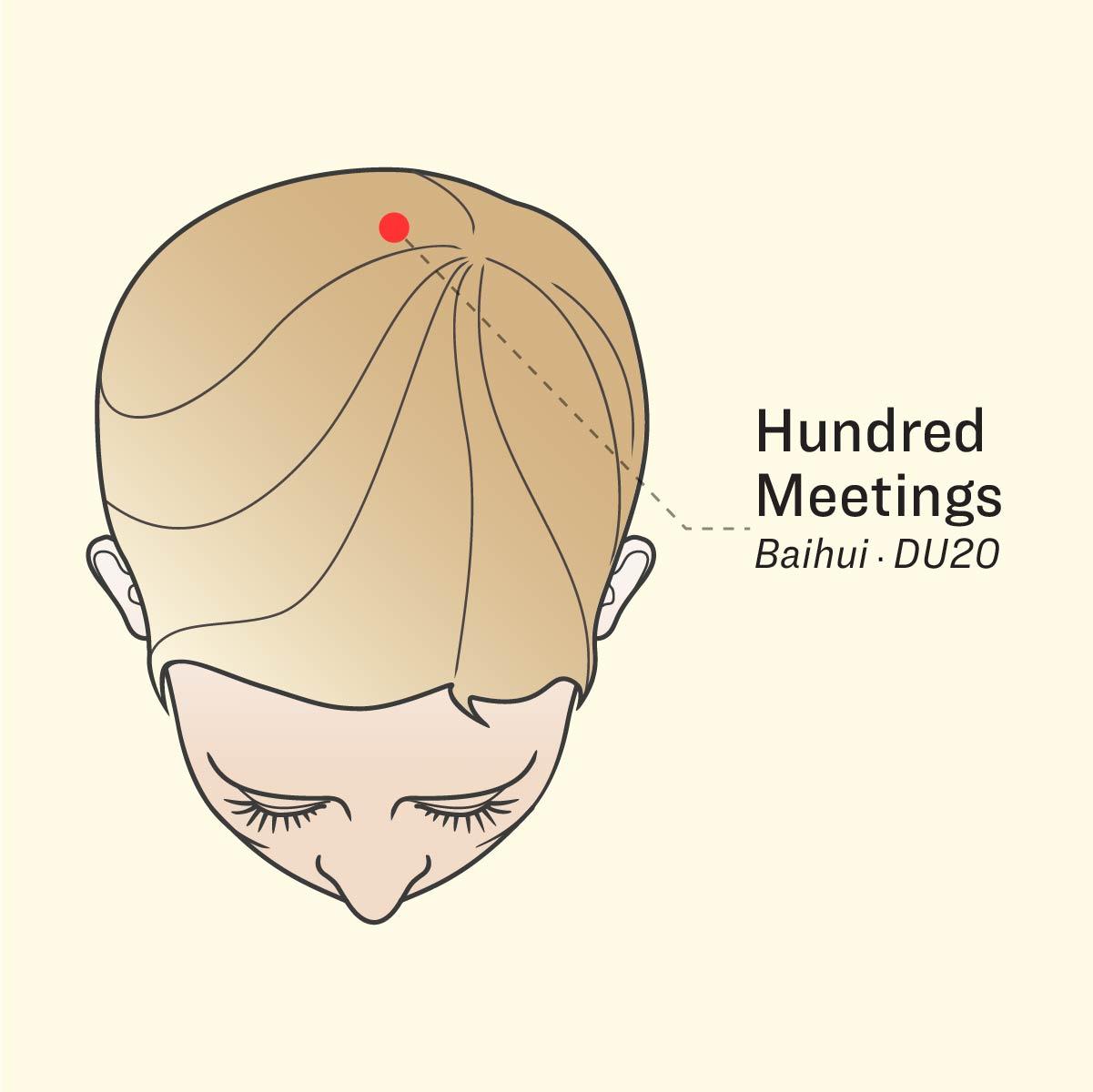
2. Hundred Meetings (Baihui DU 20)
- Location: At the crown of the head, directly above the tips of both ears, about one thumb’s width (approximately one knuckle) toward the back.
- TCM theory: Baihui is considered a central “meeting point” where many energy pathways in the body connect. Because of this, it is often used to calm the nervous system, balance circulation, and ease sudden tension or spasms.
- How to use: Apply gentle massage or warm heat with a hairdryer on low, or use a warm compress for quick relief.
.
3 Herbal Teas
To prevent muscle cramps, you also need to manage excessive sweating.1. Jade Windscreen Powder–For Spontaneous Sweating
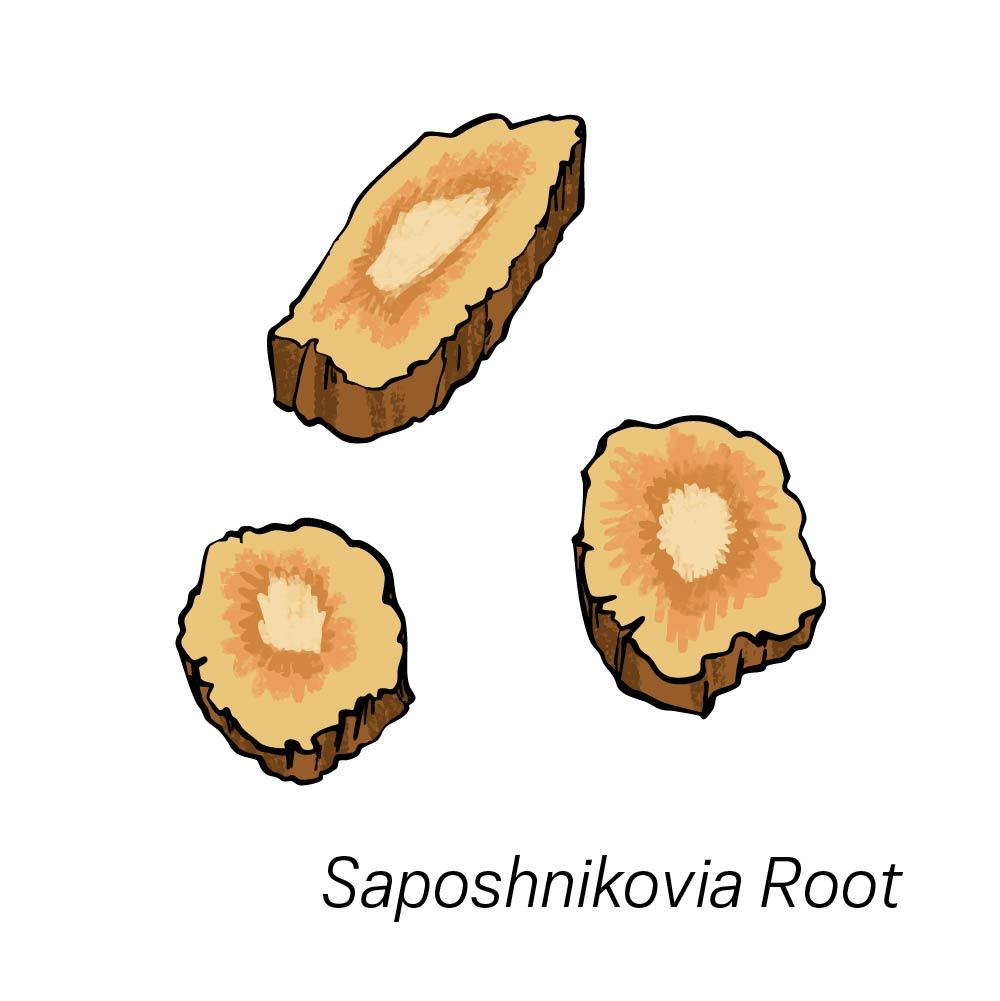
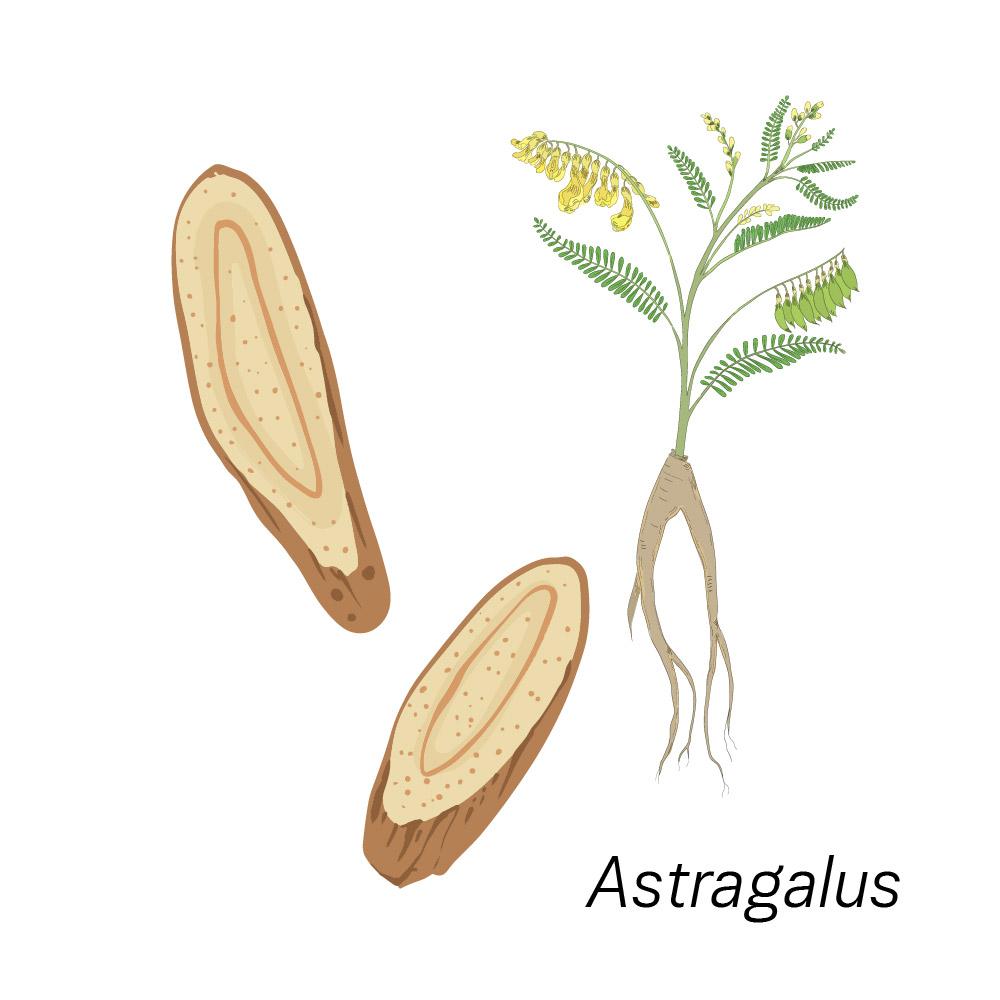
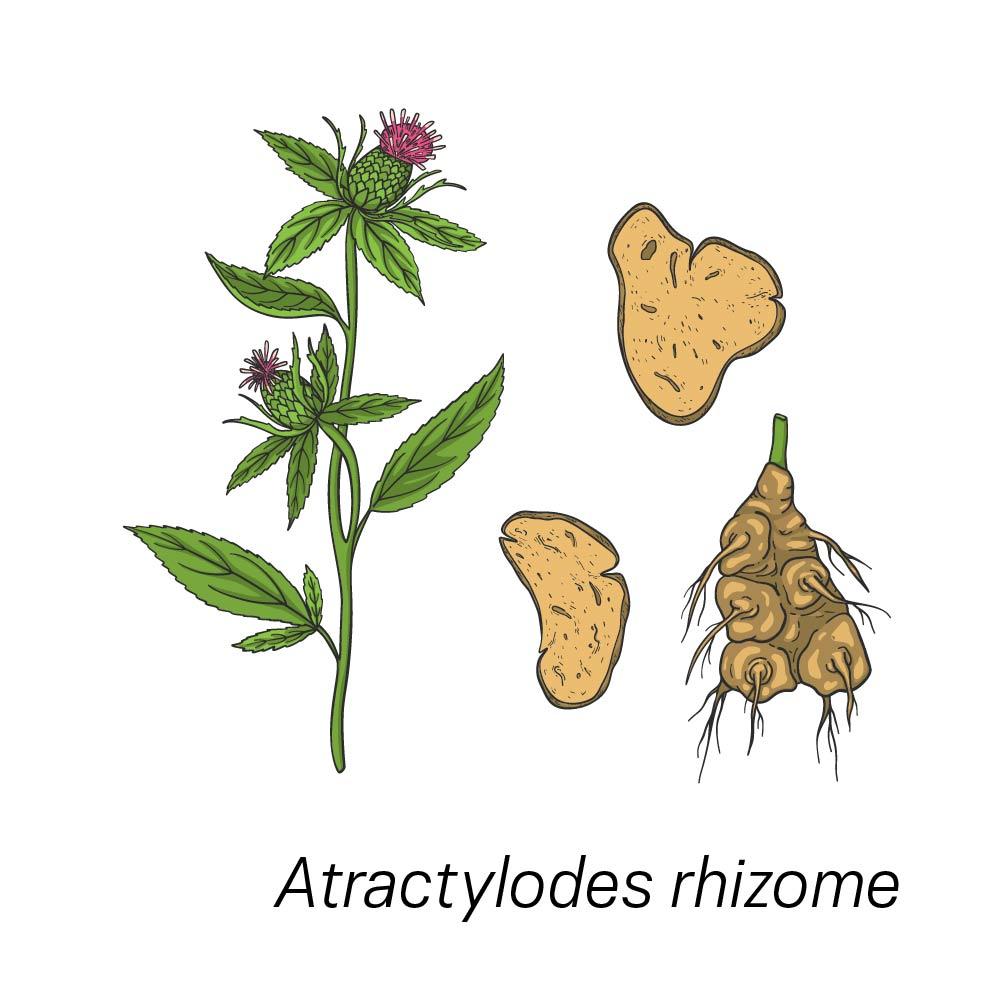
Jade windscreen powder (Yu Ping Feng San) is a commonly used TCM herbal recipe to strengthen the body’s protective vital energy. It is often prepared as an herbal tea. The name illustrates its function—it acts like a solid screen that shields the body from harm. It also helps pores stay properly regulated—preventing unnecessary sweating.- 11 grams each of saposhnikovia root (fangfeng), astragalus root (huangqi), and atractylodes rhizome (baizhu)
.
.
2. Pulse Generator Tea–For Night Sweating
Pulse Generator Tea (Sheng Mai Yin) replenishes fluids to stop night sweating while boosting yang energy for overall vitality.- 7 to 11 grams ginseng (renshen)
- 20 to 30 schisandra (wuweizi) berries
- 37grams ophiopogon root (maidong)
.
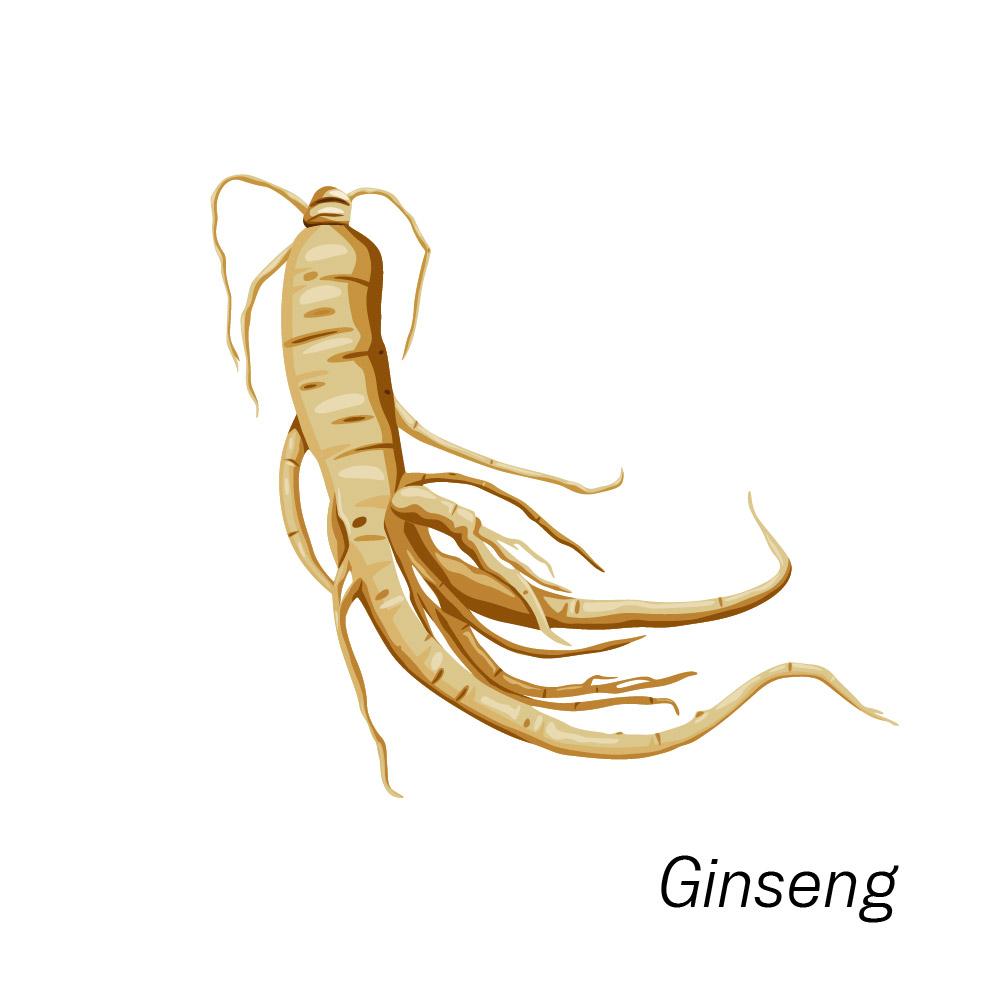
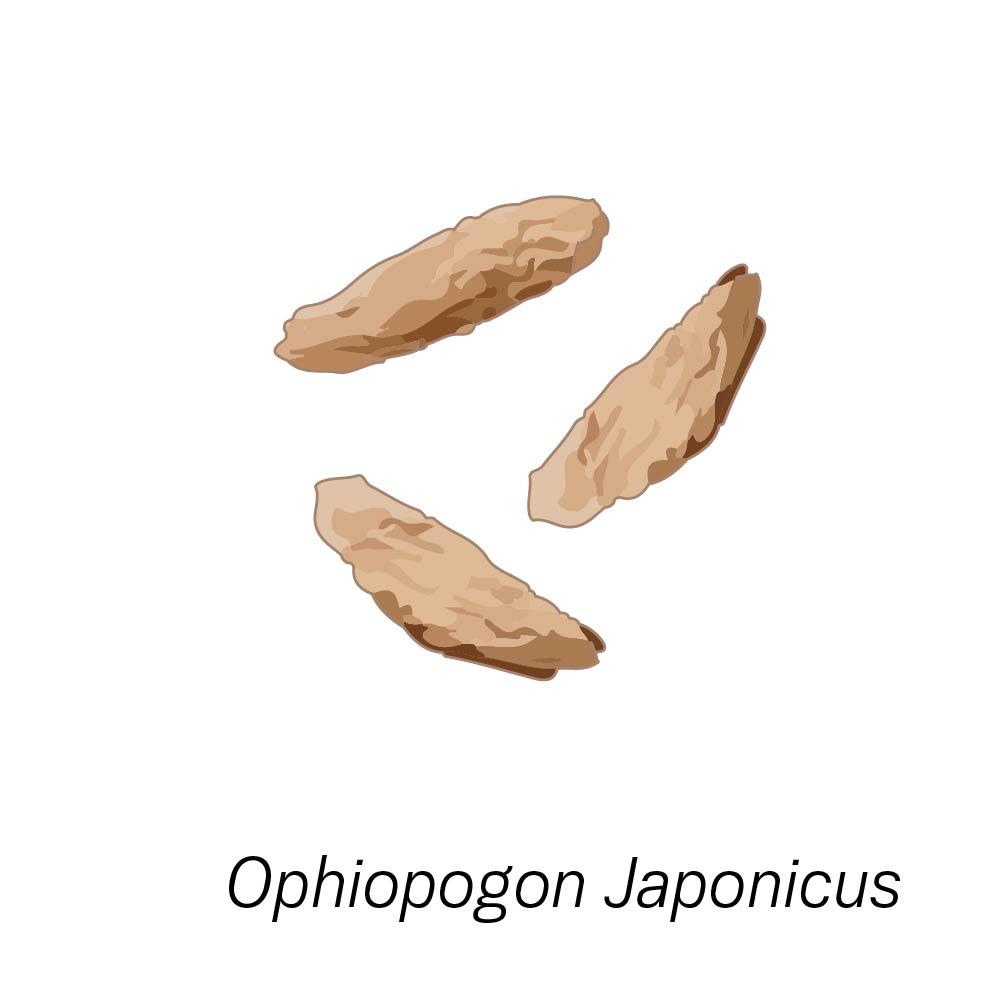
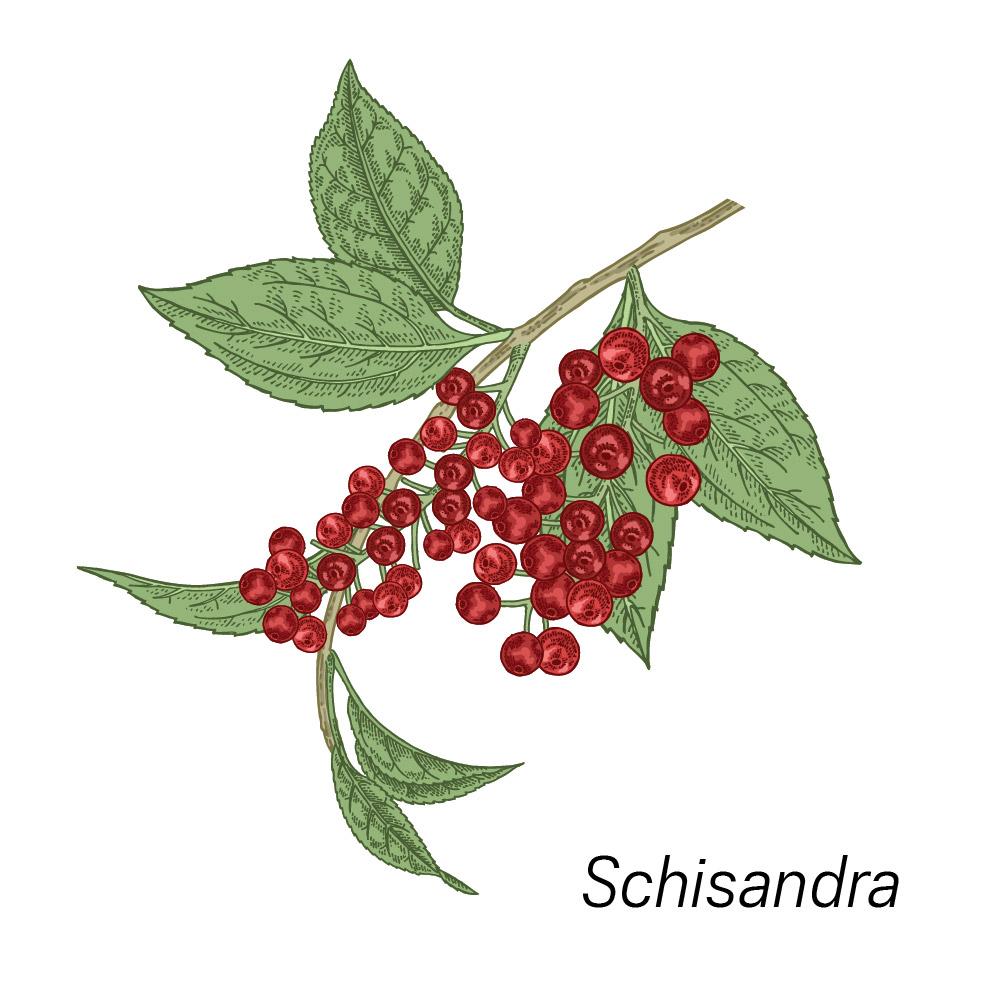
Illustration by The Epoch Times, Shutterstock
.
Precautions: Avoid during acute infections or digestive upset. Consult a TCM practitioner for dosage adjustments.
3. Cinnamon Twig and Kudzu Root Doctrine for Soft Spasms
Cinnamon twig and Kudzu Root Doctrine (Guizhi-Gegen Tang) is a commonly used clinical formula, but it should be taken under the guidance of a qualified TCM practitioner. It restores harmony between the muscles and the body’s surface defenses, easing tension and improving circulation.This decoction can also help relieve muscle tension. During my studies in traditional Chinese medicine, I often stayed up late and worked hard, which eventually led to months of persistent stiffness in my back and neck. Acupuncture offered little relief. At the time, the weather was hot, and I was sweating excessively. I suspected it was a case of “soft spasms.” After taking the doctrine, I experienced a deep, refreshing sweat, and the tension in my back and neck released immediately.
- Cinnamon twig (guizhi)—Warms and unblocks channels
- Kudzu root (gegen)—Relaxes muscles and releases the upper back
Preparation
Wash herbs. Add to a pot with 4 to 5 cups of water. Bring to a boil, then simmer for about 20 to 30 minutes, until the liquid has a mild flavor. Drink warm for the best effect.
Precautions: Pregnant women should seek professional advice before use.
.
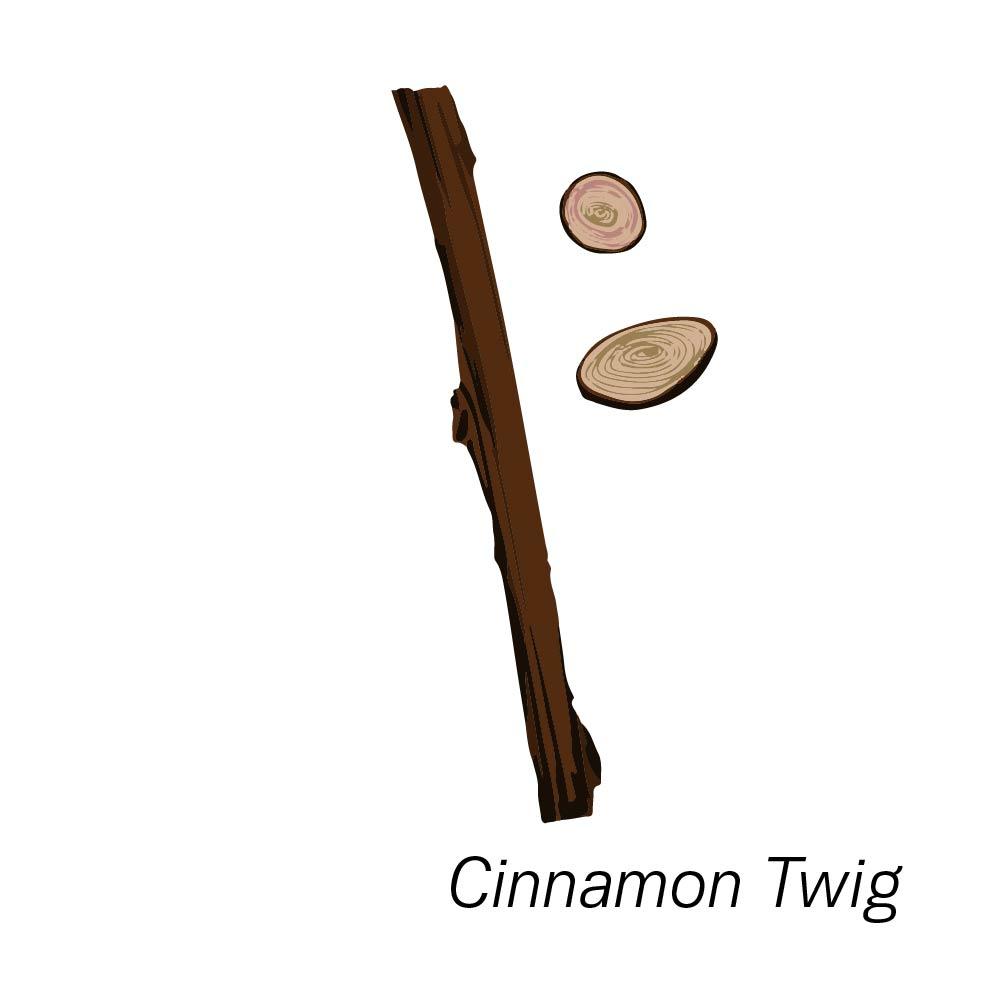
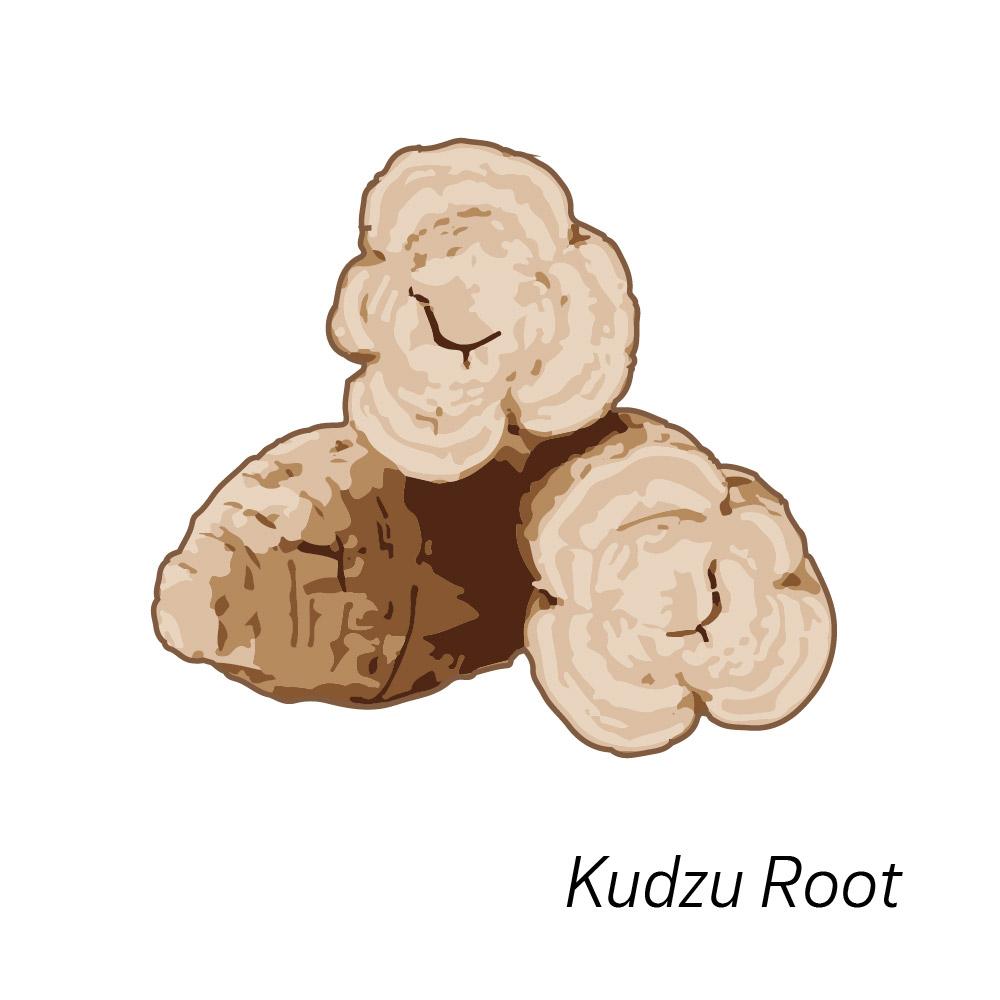
Illustration by The Epoch Times, Shutterstock
.
The Chinese herbs mentioned above are available at health food stores or Asian grocery stores. Always consult a qualified TCM practitioner to ensure a safe and effective treatment plan tailored to your constitution.
What's Your Reaction?
 Like
0
Like
0
 Dislike
0
Dislike
0
 Love
0
Love
0
 Funny
0
Funny
0
 Wow
0
Wow
0
 Sad
0
Sad
0
 Angry
0
Angry
0

















Comments (0)