

3 Ways to Reframe the Purpose of Money in Your Life

.
How you think about a subject determines how you’ll interact with it.
For example, if you see people as objects for your own benefit, you’ll treat them like tools and discard them when they’re no longer useful. Obviously, that’s a sad outcome resulting from a narrow view of humanity.
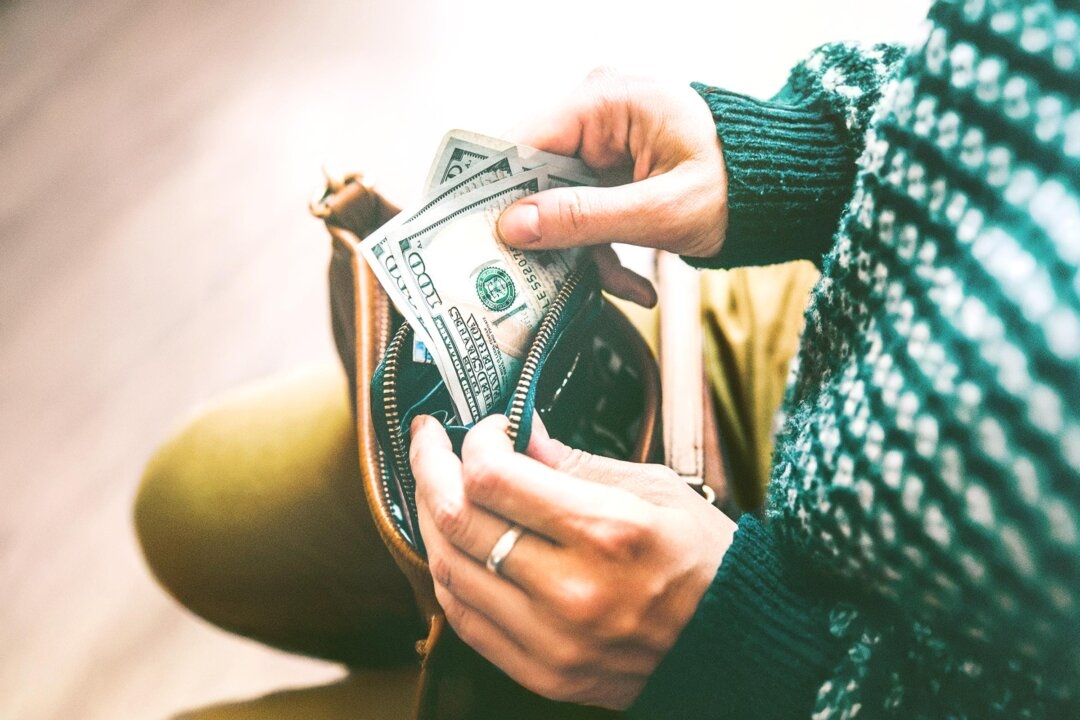
My goal is to help you pull back the cover on another topic that people often misunderstand—money. Money isn’t nearly as important as people, but it is upstream of many other things in life. If your thinking on money is off, then it will affect everything from your relationships and self-identity to your opportunities in life.
That such an important subject gets so little attention is amazing. Growing up, I remember being taught how to use money and some ways to avoid trouble—but those are just tactics compared to the bigger issue of how to actually think about money.
I came to my views on money by drifting into them. Various experiences led me to see overspending as a major but avoidable problem. I learned frugality and absorbed that message into the core of my being.
On the other hand, my tight-fisted view of money made me less naturally generous than I would like to be. I’m usually thinking more about how to save money than how to use it to bless others.
The best time to learn these lessons is when you’re young, the financial stakes are lower, and you aren’t so set in your ways. The next best time to learn these lessons is now.
How do we change our settled beliefs?
First is to understand your defaults, and then meditate on what you think is good and true—allowing that to pull you towards a new mindset.
3 Ways to Reframe the Purpose of Money in Your Life
These views continue to be useful frameworks for me to return to as I strive to grow.1. Let Money Reflect Your Values
One way to think about yourself is that you are an artist and every decision you make is a brush stroke on the canvas of your life. You may be just an average person, but you can still create a beautiful “picture” with your life that benefits and inspires others.2. Use Money as a Measure of Opportunity
One mental image I have when I’m trying to save more money is that each dollar is a unit of opportunity I’m saving up for the future. The more dollars I save, the greater those opportunities are before me.It’s like when I was a kid and my dad would take my sister and me to the arcade in town. Each visit, I would earn tickets and could use them to buy a little trinket or piece of candy, or I could save them for next time and buy something bigger.
Thinking of money in such a way gives you a simple playbook to follow if you aren’t happy with your current set of opportunities—start saving up units of future opportunity so you can trade them in for something new.
3. Leverage Money as a Tool for Trade
When you trade with someone, you give them something in exchange for something else of equal or greater value.Something important happens when you make that trade—you’re forced to think about what you’re giving up and what you’re getting. You think in terms of the opportunity cost of all the other trades you’re passing up when you make this one.
Thinking of the trade aspects of money is a helpful corrective to the casual and unreflective ways some people spend their money. I often think about my money this way—I trade my time to earn money, and then I trade money for the things I need and want.
When I’m planning a trip for our family, opportunity cost is on my mind, too—would I rather spend $300 on more comfortable lodging or finer dinners? Maybe we can put the trip on the back burner and save the money to buy a new area rug for our living room.
The idea of “money as a tool for trade” nudges you to think more rationally about financial decisions. It frames them less emotionally and more as an equation to be solved.
Each of these frameworks is helpful in different situations, but most important is that you’re interrupting your default, lazy decision-making with something more reflective that brings you closer to the life you want.
.
What's Your Reaction?
 Like
0
Like
0
 Dislike
0
Dislike
0
 Love
0
Love
0
 Funny
0
Funny
0
 Wow
0
Wow
0
 Sad
0
Sad
0
 Angry
0
Angry
0















Comments (0)