

Trump Pushes Ahead With New Tariffs to Counter Foreign Factory Overcapacity
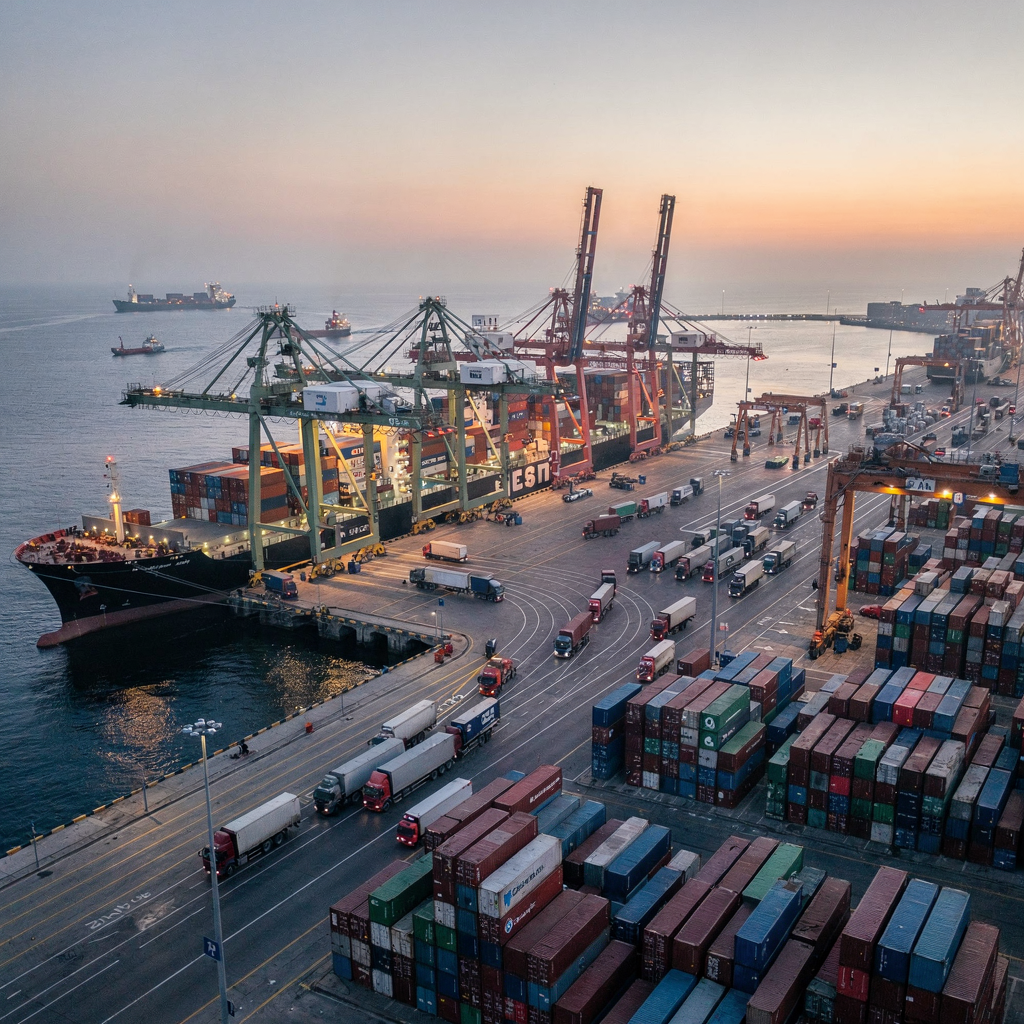
On November 25, the Trump administration proposed new tariffs on 14 major trading partners, including China, the European Union, Japan and India. The goal is to answer what Washington calls "structural excess capacity": foreign industries that produce far more than their home markets can use and flood the world with cheap exports. Most proposed rates stay within the limits already agreed in recent trade deals. Public hearings are set for January 25, 2027.

.
What Was Announced
U.S. Trade Representative Jamieson Greer ruled that the industrial policies of 14 economies are "unreasonable" and burden American commerce. The finding follows a Section 301 investigation (a trade-law tool that lets Washington respond to unfair foreign practices) opened in March.
The proposed rates vary by country. China would face up to 20%, the EU, Japan, South Korea, Taiwan and Switzerland up to 15%, and Cambodia, Indonesia, Malaysia, Thailand and Bangladesh up to 18%. Singapore could face up to 20%, falling to 10% if it signs a trade agreement. Vietnam could face up to 35%, or 20% with a deal, and India up to 25%, or 17% with a deal.
Nothing takes effect yet. Written comments are due January 5, 2027, and the hearings follow on January 25.
.
Why Washington Says It Is Acting
The administration's argument is simple. Many governments steer their economies toward manufacturing and export through subsidies, cheap state-directed loans and weak labor protections. The result, officials say, is that goods pile up on world markets and American factories lose out.
Greer pointed out that this concern is not new. Since 2016, he said, leaders from Donald Trump to Joe Biden, Xi Jinping and Emmanuel Macron have acknowledged the problem. Years of statements at the G7, G20 and World Trade Organization, he argued, changed nothing.
There are signs the concern is shared abroad. At a G20 trade meeting in September, EU trade chief Maros Sefcovic said he welcomed the focus on industrial overcapacity.
.
China Under the Spotlight
China is the most prominent target. The USTR's report accuses Beijing of a long list of practices, including state-backed industrial planning, support for state-owned enterprises, forced technology transfer, intellectual property theft and the use of forced labor. It also says China encourages overcapacity in third countries. These are the U.S. government's findings, and Beijing rejects them.
China's Foreign Ministry called the overcapacity claim a "false issue" and an excuse for political manipulation. Notably, Beijing did not threaten retaliation, according to Reuters.
The proposed Chinese rate reflects the trade truce that Presidents Trump and Xi reached in Kuala Lumpur on October 30, 2025. Reuters reports that the truce expires on January 10 and that China's rate could rise to 40% if it collapses.
.
Existing Trade Deals Stay Intact
The administration says the new duties will not break its own agreements. Rates are meant to sit within the limits already negotiated with partners such as the EU, Japan and South Korea. Greer told CNBC that the net effect would only "top up" tariffs by a few percentage points.
Mexico and Norway are not included for now, because investigations into them continue. Separately, Reuters reports that Washington proposed a 10% tariff on Brazilian Embraer aircraft and higher duties on above-quota Brazilian sugar.
.
A Pledge Kept After the Midterms
The announcement comes just after Republican losses in the midterm elections. Even so, the White House shows no sign of changing course. The new measures follow the Supreme Court's February ruling against Trump's earlier emergency-law tariffs, after which the administration moved to rebuild its tariff policy on firmer legal ground.
Section 301 is the same tool Trump used against China in his first term, and it has a long record in U.S. trade law. For supporters, the message is consistency: the president promised to defend American manufacturing and is doing it through the legal channels open to him.
.
What Critics Say
Not everyone agrees. Analysts at ING warned that U.S. protectionism is becoming harder to unwind, and U.S. stocks fell on the day, although Reuters tied the drop partly to a wider tech selloff. A Reuters/Ipsos poll found 62% of respondents supported repealing the tariffs. Libertarian outlet Reason argues that a trade surplus alone does not prove unfair trade.
The administration answers that targeted, deal-based tariffs are a measured response to practices that years of diplomacy have not fixed.
.
What Comes Next
The coming weeks will show how the proposal holds up. Companies, industry groups and foreign governments can file comments until January 5, and the January 25 hearings will give both sides a chance to argue their case. The fate of the U.S.–China truce on January 10 will be an early test of how far Beijing is willing to go.
.
Sources
- USTR, "USTR Makes Determinations and Proposes Actions in 14 Section 301 Investigations Relating to Structural Excess Capacity and Production in Manufacturing Sectors" (Nov 25, 2026): https://ustr.gov/about/policy-offices/press-office/press-releases/2026/november/ustr-makes-determinations-and-proposes-actions-14-section-301-investigations-relating-structural
- Reuters, "US proposes new tariffs on 14 trading partners to fight excess factory capacity" (Nov 25, 2026): https://www.reuters.com/world/china/us-proposes-new-tariffs-14-trading-partners-fight-excess-factory-capacity-2026-11-25/
- NBC News, "Trump proposes a new wave of tariffs on China, E.U. and other trade partners": https://www.nbcchicago.com/news/national-international/trump-country-specific-tariffs-excess-capacity-china-european-union/4021262/
- Reuters via Engineering News, "US trade chief to consider trade deal tariff caps in excess capacity probe" (Sept 30, 2026): https://www.engineeringnews.co.za/article/us-trade-chief-to-consider-trade-deal-tariff-caps-in-excess-capacity-probe-2026-09-30
- Kelley Drye, "USTR Launches Broad Section 301 Investigations Regarding Excess Capacity in Manufacturing Sectors": https://www.kelleydrye.com/viewpoints/blogs/trade-and-manufacturing-monitor/ustr-launches-broad-section-301-investigations-regarding-excess-capacity-in-manufacturing-sectors
- Reason, "The Trump Administration Wants More Tariffs To Combat 'Structural Excess Capacity.' Here's What That Means." (critical view): https://reason.com/2026/06/16/the-trump-administration-wants-more-tariffs-to-combat-structural-excess-capacity-heres-what-that-means/
.
What's Your Reaction?
 Like
0
 Dislike
0
 Love
0
 Funny
0
 Wow
0
 Sad
0
 Angry
0








Comments (0)