

The ‘Big Gun’ Against Viruses and Bacteria

.
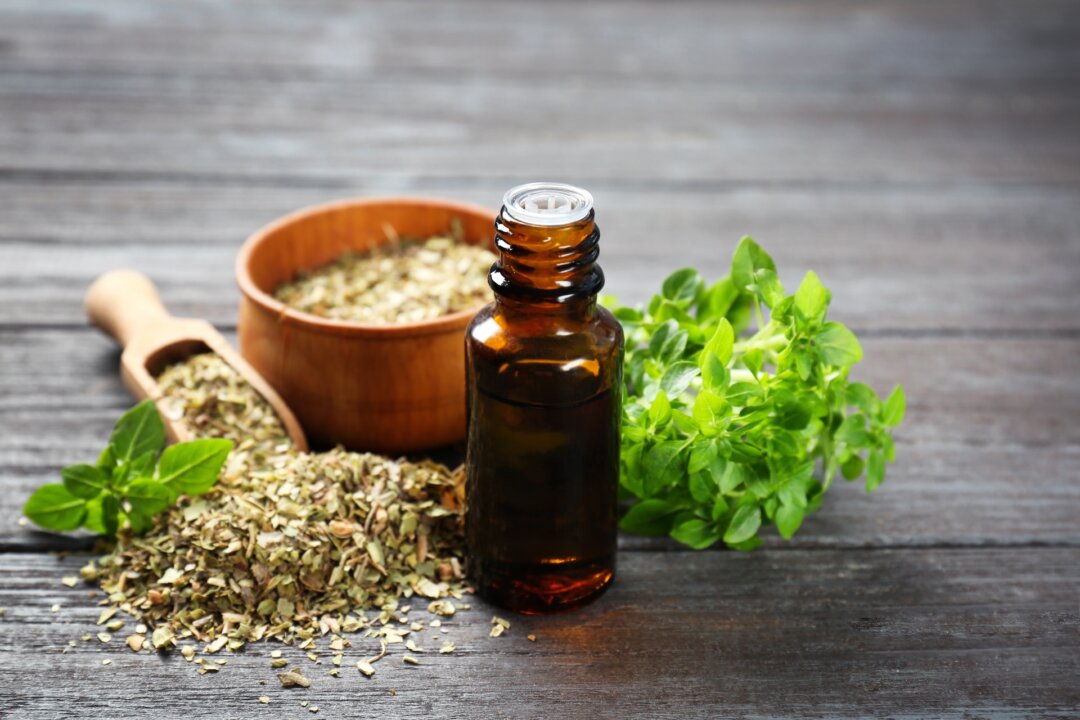
Oregano is a heavy-hitter herb for the cold and flu season and year-round.
Tis is the season of viruses. Whether we're fighting the common cold (coronavirus family), the flu (influenza virus family), stuffy noses, coughs, fevers, strep throat, ear and sinus infections, or types of pneumonia (Streptococcus bacteria family), conventional treatments are antibiotics—which may or may not have the desired effect on the healing process. Quite the contrary, these pharmaceuticals often come with unwanted side effects, and there's the ever-growing problem of drug resistance.
Oregano is one of the few heavy hitters against such seasonal microbial attacks—with multi-faceted ways of implementation including teas and extractions, as an essential oil, or in culinary preparations.
This article is a guide to using oregano as an anti-microbial during this winter season or how to grow it yourself in the spring.
.
Oregano: The Powerhouse
Oregano is an unimposing small semi-woody shrub—an aromatic perennial with tiny purple flowers. Though native to the Mediterranean, it can be cultivated everywhere. Perhaps, at some point, you've grown oregano yourself on your window sill or in your garden.Oregano's medicinal qualities are outstanding. Although its anti-fungal value might come to mind first, the herb also features other superior anti-microbial properties for the upcoming cold and flu season.
“Antibiotics and the essential oil components may act synergistically, such as by affecting multiple targets; by physicochemical interactions and inhibiting antibacterial-resistance mechanisms. Many reported assays show additivity or moderate synergism, indicating that EOs may offer possibilities for reducing antibiotic use.”Carvacrol is the main compound in oregano oil. It can be considered a natural alternative to prescription drugs, like antibiotics, as it exhibits rapid bactericidal activity, especially against a bacterial pathogen called Streptococcus pyogenes. This human-specific bacterium causes a wide array of infections, from mild symptoms to life-threatening conditions.
Nature's Powerful Healing Potential
Plant-derived compounds and constituents of essential oils are powerful healing alternatives.Herbal Uses
Traditional Chinese medicine (TCM) describes oregano as an herb that dispels dampness (fluid build-up), regulates the qi (vital energy), and releases the exterior (promotes sweating). In our Western language, we can translate this into oregano working as a detoxifier through the lymphatic system. It induces perspiration and is therefore suited for fever management if the illness comes with mucus and chills. In this case, oregano would be prepared as an infusion.- Use ½ to 1 tsp. of dried oregano leaves to 8 oz of boiling water
- Steep covered for 15 minutes
- Drink 4 oz up to 3x daily
Essential Oil and Aromatherapy
A 2017 study published in the journal Molecules specifies oregano’s healing qualities as an essential oil. Besides its well-known antimicrobial, antiviral, and antifungal properties, the paper describes the herbal essence as having “potent antioxidant, anti-inflammatory, antidiabetic and cancer suppressor agents.”Caution and Contraindications
Although the U.S. Food and Drug Administration (FDA) regards oregano and oregano essential oil as “generally recognized as safe” food ingredients, oregano is a powerful herbal medicinal and should be viewed as such.The use of oregano is contraindicated during pregnancy when used above the normal dietary amounts.
Although essential oils can be used by internal or external means, a potential toxicity hazard can occur when essential oils are ingested orally and when untrained individuals ingest too much.
“Due to a high percentage of phenols it [oregano essential oil] is aggressive to mucus membranes and should be avoided unless blended in low percentage with essential oils from other chemical families.”They continue, quoting Kurt Schnaubelt, author of the book “The Healing Intelligence of Essential Oils”:
“Oregano is suitable for internal use within safe parameters, it is rarely needed and should only be used with respect for how concentrated the oils are. [If taken internally, it would be best to administer the oil], by capsule diluted with a suitable carrier oil; generally, 1 drop is always enough when ingesting essential oils. Use of Oregano should be limited to treating acute conditions.” *As oregano essential oil is very potent, even aromatherapy treatment should be approached with caution.
Culinary Uses
A safe and tasty way to get the benefit of oregano is to use the dried herb in the kitchen. Oregano is an aromatic herb, slightly bitter, and with a pungent flavor. Adding it to any recipe will have a tasteful impact. Try it in fish, poultry, and other meat dishes, as well as soups and stews, marinades, or dressings. Add it to black beans and rice, scrambled eggs, roasted potatoes, or as a topping on your pizza. Oregano has many versatile uses in the kitchen and other creative ways to use it:- Herb butters.
- Herb-infused oils.
- Herb salt.
- Herb-infused vinegar (Oxymel).
Specific Varieties
When it comes to herbs, knowing the botanical (Latin) name of the plant is very helpful. Often, many similar varieties carry the same common name, yet, differentiate by their medicinal properties or uses.In this case, oregano belongs to the Lamiaceae herb family, together with other aromatic herbs like thyme, lavender, mint, and hyssop. The report, published in Molecules, clarifies the multiple varieties of the plant family: “The oregano crop is divided into four distinct groups: Turkish oregano (Origanum onites), Spanish oregano (Coridohymus capitatu), Greek oregano (Origanum vulgare) and Mexican oregano (Lippia graveolens).” (Not to be confused with Origanum marjoram, commonly named Sweet Marjoram.)
Growing Oregano
Knowing the extraordinary qualities of oregano, you might think about growing it yourself when springtime rolls around. Oregano is an easy-to-grow herb and will be happy in your garden, raised bed, or container.The author encourages readers to continue to visit and to be treated by their health care professionals, including physicians. The author is not acting in the capacity of a doctor, licensed dietician-nutritionist, psychologist, or other licensed or registered medical professional. Accordingly, the author is not providing health care, medical, or nutrition therapy services and will not diagnose, treat, or cure in any manner whatsoever any disease, condition, or other physical or mental ailment.
What's Your Reaction?
 Like
0
Like
0
 Dislike
0
Dislike
0
 Love
0
Love
0
 Funny
0
Funny
0
 Wow
0
Wow
0
 Sad
0
Sad
0
 Angry
0
Angry
0















Comments (0)