

Popular Joint Supplement May Be Quietly Speeding Up Alzheimer's Disease
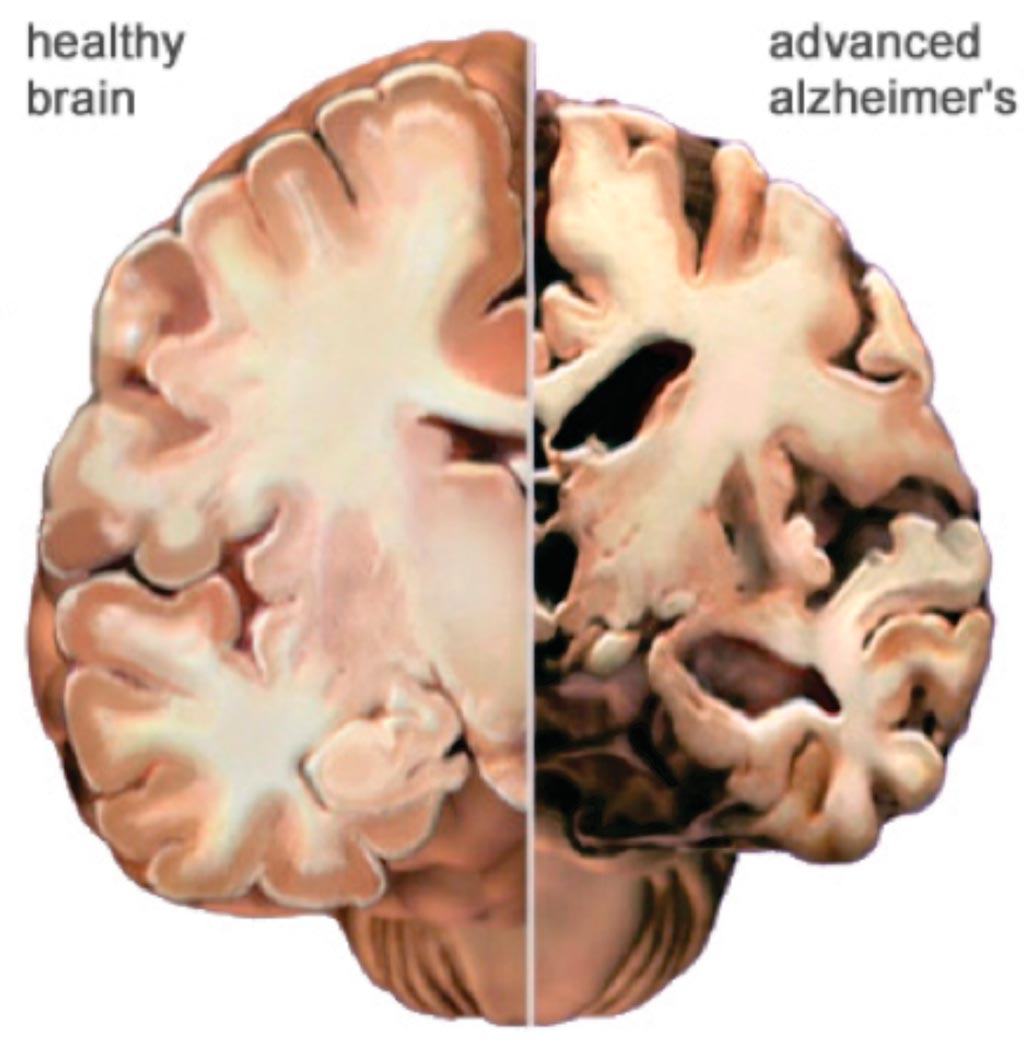
A new study from the University of Florida suggests that glucosamine, a supplement taken by tens of millions of people for joint pain, may accelerate cognitive decline in patients who already have Alzheimer's disease or early memory loss. Researchers stress that healthy people taking the supplement have no reason for alarm — the risk applies specifically to brains already affected by the disease.

.
A Surprising Discovery in an Unlikely Place
For years, glucosamine has sat quietly on pharmacy shelves as a go-to remedy for creaky knees and joint pain. More than 40 million Americans take it every year, believing it protects their cartilage.
Now, a team of neuroscientists at the University of Florida has found that this same supplement may work against people once Alzheimer's disease has already taken hold. Their study, published in the journal Nature Metabolism, links glucosamine use to a faster decline in patients with mild cognitive impairment (MCI, an early stage of memory loss) and Alzheimer's disease.
Ramon Sun, the study's senior author and director of the University of Florida's Center for Advanced Spatial Biomolecule Research, was careful to frame the finding narrowly. Healthy people taking glucosamine for joint pain have no reason to worry, he said, since the effect appears limited to brains already undergoing the disease process.
.
What the Data Show
The research team combined several methods: patient health records, brain imaging, tissue samples, and mouse models of Alzheimer's disease.
Analyzing records from the University of Florida Health system, researchers reviewed thousands of patients diagnosed with MCI or dementia. Those who had taken glucosamine for at least a year faced a markedly higher risk of their condition worsening.
Patients with mild cognitive impairment who used glucosamine were about 25 percent more likely to progress to full-blown Alzheimer's disease. Among patients who already had Alzheimer's, glucosamine use was linked to a similarly higher risk of death within several years.
The authors are careful to describe these results as an association, not proof of direct cause and effect. A clinical trial, they say, is the next necessary step.
.
A Sugar Problem in the Brain
To understand why glucosamine might cause harm, it helps to look at how the brain handles sugar.
Alzheimer's disease has increasingly been described by researchers as a kind of diabetes of the brain — a condition in which brain cells struggle to process sugar properly. One part of this process is called glycosylation: cells attach sugar molecules to proteins as part of normal function.
In Alzheimer's patients, this tagging process appears to run out of control, a state researchers call hyperglycosylation. Rather than being a harmless side effect of the disease, the study suggests this excess sugar-tagging may actually help drive it forward.
Glucosamine is itself a sugar-based molecule, and it can cross into the brain. Once there, it appears to feed directly into this already overactive pathway — pouring fuel on a fire that is already burning.
Supporting evidence came from multiple angles: mice given glucosamine supplements showed worse Alzheimer's-related brain changes, while brain tissue from human Alzheimer's patients showed significantly higher levels of this sugar-tagging activity than tissue from healthy people.
.
A Hopeful Twist: The Pathway Can Run in Reverse
Despite the concerning findings, the researchers describe one encouraging detail: this pathway does not appear to be a one-way street.
When scientists reduced the excess sugar-tagging in mice — either through genetic changes or an experimental drug — the animals' memory improved. If overloading the pathway makes the disease worse, calming it down seems to offer a benefit in return.
This fits into a broader shift in Alzheimer's research. For decades, most treatment approaches have focused almost exclusively on two hallmarks of the disease: sticky amyloid plaques and tangled tau proteins inside brain cells. The Florida team's results point to metabolism — how the brain manages energy and sugar — as a separate and potentially treatable factor.
Notably, the mice in this study improved without any change to their plaque or tangle levels, suggesting this metabolic pathway could work as an add-on to existing Alzheimer's treatments rather than a replacement for them.
.
What Comes Next
The researchers say the priority now is to identify which patients are most vulnerable to this effect, and to develop a drug that can shut down the harmful sugar-tagging process without interfering with the body's normal, healthy uses of it — all while being able to reach the brain, a persistent hurdle in neurological medicine.
For now, doctors and patients face a nuanced picture. The findings do not suggest healthy people should avoid glucosamine for joint pain. But for patients already diagnosed with cognitive impairment or Alzheimer's, the results raise a legitimate question worth discussing with a physician while larger clinical trials are designed to confirm — or rule out — a direct causal link.
.
Sources
- University of Florida Health – "Study links joint pain supplement to accelerating dementia": https://ufhealth.org/news/2026/study-links-joint-pain-supplement-to-accelerating-dementia-2
- Nature Metabolism – "Hyperglycosylation is a metabolic driver of Alzheimer's disease": https://www.nature.com/articles/s42255-026-01538-4
- The Conversation – "Glucosamine supplements may speed memory loss from Alzheimer's, new research shows" (by study author Ramon Sun): https://theconversation.com/glucosamine-supplements-may-speed-memory-loss-from-alzheimers-new-research-shows-282467
- ScienceDaily – "Popular joint supplement glucosamine linked to faster Alzheimer's progression": https://www.sciencedaily.com/releases/2026/06/260610003044.htm
.
What's Your Reaction?
 Like
0
Like
0
 Dislike
0
Dislike
0
 Love
0
Love
0
 Funny
0
Funny
0
 Wow
0
Wow
0
 Sad
0
Sad
0
 Angry
0
Angry
0
















Comments (0)