

G7 Warns China: Beijing’s Moves East of Taiwan Threaten Shipping and Regional Stability
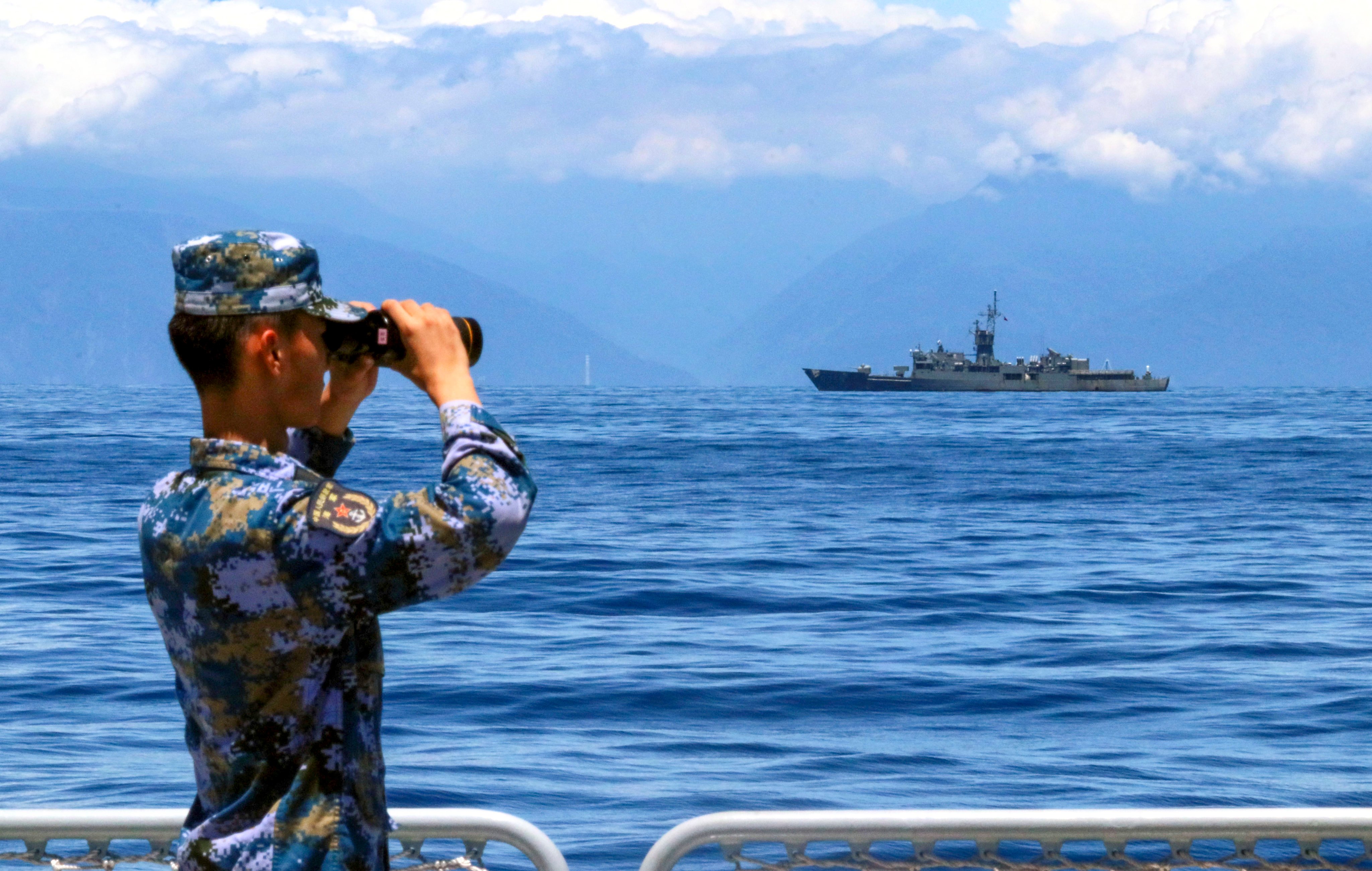
Foreign ministers of the world’s leading democracies have sharply criticized China’s growing activity in the waters east of Taiwan. After a meeting in Paris, the G7 said Beijing’s actions endanger regional stability, freedom of navigation and the safety of international shipping. The statement comes as Taiwan reports regular Chinese coast guard patrols and new naval drills in the Western Pacific.

.
A Clear Message from Paris
The G7 foreign ministers issued a joint declaration late on Wednesday, Nov. 11, after their meeting in Paris. The group includes Canada, France, Germany, Italy, Japan, the United Kingdom and the United States, with the European Union also represented.
The ministers said China's increasingly assertive behavior in the waters east of Taiwan threatens stability, freedom of navigation and the safety of international shipping. They also repeated their opposition to any one-sided attempt to change the status quo, "particularly by force or coercion."
The statement followed a Monday session on global crises, in which Japan's Foreign Minister Toshimitsu Motegi took part. Japan's foreign ministry said the G7 ministers again voiced strong opposition to coercion in the Taiwan Strait.
.
What Is Happening East of Taiwan?
China claims Taiwan as its own territory. Taiwan's democratically elected government rejects that claim.
Since June, Beijing has stepped up activity off Taiwan's east coast. Its coast guard began the new operations on June 1, when it sent two large patrol ships to the area. Since then it has run regular patrols there.
The latest patrol came on Oct. 31. Taiwan's coast guard said China was harassing commercial shipping and trying to assert what it called a "fictional jurisdiction" over the waters. Taiwan sent its own vessels to watch the Chinese ships. China described its patrols as routine law enforcement.
.
Why the East Coast Matters
The east coast may look remote, but Taiwanese officials treat it as strategically vital. In a blockade or conflict, supplies from friendly countries would likely have to reach the island through these waters.
Taiwanese officials believe China is rehearsing for exactly that scenario. They say Beijing is combining military, paramilitary and civilian assets in overlapping operations, a pattern that would be hard to counter in a real crisis. Beijing has not confirmed that this is its aim.
(A blockade means cutting off an island's sea and air links to starve it of supplies without necessarily invading it.)
.
New Naval Drills in the Western Pacific
The G7 statement also arrives amid fresh military activity. On Tuesday, Taiwan's Defense Minister Wellington Koo told lawmakers that China is conducting "area denial" drills in the Western Pacific. They involve the Liaoning aircraft carrier group and other naval formations.
Area denial refers to tactics meant to keep outside forces from entering or operating in a region during a conflict. Koo said Taiwan is watching closely and that such activity is meant to undermine peace and stability in the Indo-Pacific.
The picture is not one-sided. China has not formally announced these drills. Taiwan's defense ministry also said last month that the Liaoning's Pacific training is an annual routine, and that it was not aimed at any particular country. Taiwan has nonetheless reported a sharp rise in Chinese military aircraft around the island in recent days.
.
Not the First Warning
The G7 is not alone in its concern. The United States, Britain, France and Germany have each voiced worries about China's conduct off Taiwan's east coast. In April 2025, the G7 foreign ministers issued a joint statement expressing deep concern over large-scale Chinese military drills around Taiwan.
Beijing typically rejects such statements as interference in its internal affairs. China's foreign ministry had not responded to a request for comment on the latest declaration at the time of reporting.
.
Outlook
China has never given up the option of using force to bring Taiwan under its control. At the same time, it says it prefers "peaceful reunification."
Taiwan's local elections are also approaching this month, which may add political weight to every move across the Strait. Whether the G7's words change Beijing's behavior is unclear. For now, the patrols and drills continue, and the world's major democracies are watching closely.
.
Sources
- Reuters, "G7 foreign ministers say China's actions east of Taiwan threaten stability" (Nov. 12, 2026): https://www.reuters.com/world/china/g7-foreign-ministers-say-chinas-actions-east-taiwan-threaten-stability-2026-11-12/
- Taipei Times, "G7 foreign ministers reiterate opposition to coercion in Taiwan Strait" (Nov. 11, 2026): https://www.taipeitimes.com/News/taiwan/archives/2026/11/11/2003867555
- Taipei Times, "China conducting 'area denial' drills" (Nov. 11, 2026): https://www.taipeitimes.com/News/front/archives/2026/11/11/2003867520
- Taipei Times, "China harassing shipping with east coast patrol: CGA" (Nov. 2, 2026): https://www.taipeitimes.com/News/front/archives/2026/11/02/2003866989
- gCaptain, "China Mounts Fresh Campaign to Encircle Taiwan with Patrols": https://gcaptain.com/china-mounts-fresh-campaign-to-encircle-taiwan-with-patrols/
- G7 Foreign Ministers' Statement on China's Large-scale Military Drills around Taiwan (April 6, 2025), French Foreign Ministry: https://www.diplomatie.gouv.fr/en/country-files/asia-and-oceania/news/article/g7-foreign-ministers-statement-on-china-s-large-scale-military-drills-around
.
What's Your Reaction?
 Like
0
 Dislike
0
 Love
0
 Funny
0
 Wow
0
 Sad
0
 Angry
0









Comments (0)